
Useful models need better data. Stanford scholars explore a path to ensure domain experts have more fruitful conversation.

Useful models need better data. Stanford scholars explore a path to ensure domain experts have more fruitful conversation.

The U.S. government has made swift progress and broadened transparency, but that momentum needs to be maintained for the next looming deadlines.
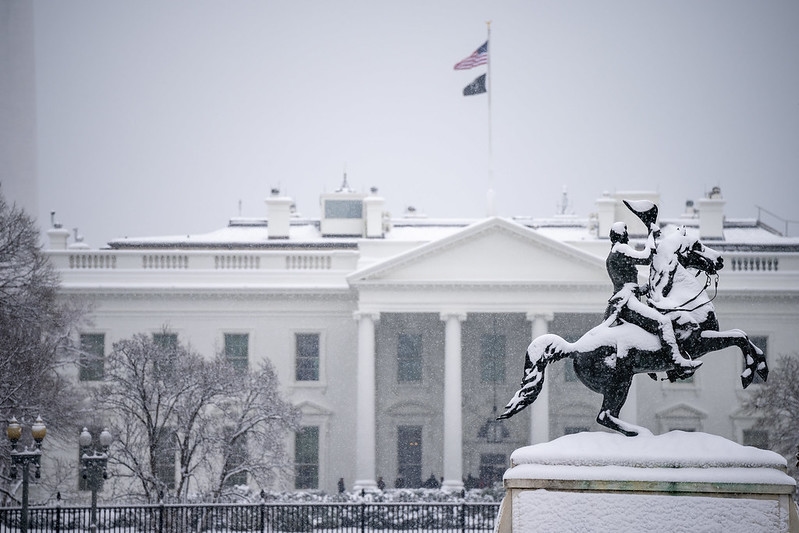
The U.S. government has made swift progress and broadened transparency, but that momentum needs to be maintained for the next looming deadlines.
Doctors Receptive to AI Collaboration in Simulated Clinical Case without Introducing Bias

Doctors worked with a prototype AI assistant and adapted their diagnoses based on AI’s input, which led to better clinical decisions.

Doctors worked with a prototype AI assistant and adapted their diagnoses based on AI’s input, which led to better clinical decisions.

A new study finds that large language models used widely for medical assessments cannot back up claims.

A new study finds that large language models used widely for medical assessments cannot back up claims.

A year after generative AI shocked the education world, the second annual AI+Education Summit reflected on new tools and research for classrooms.
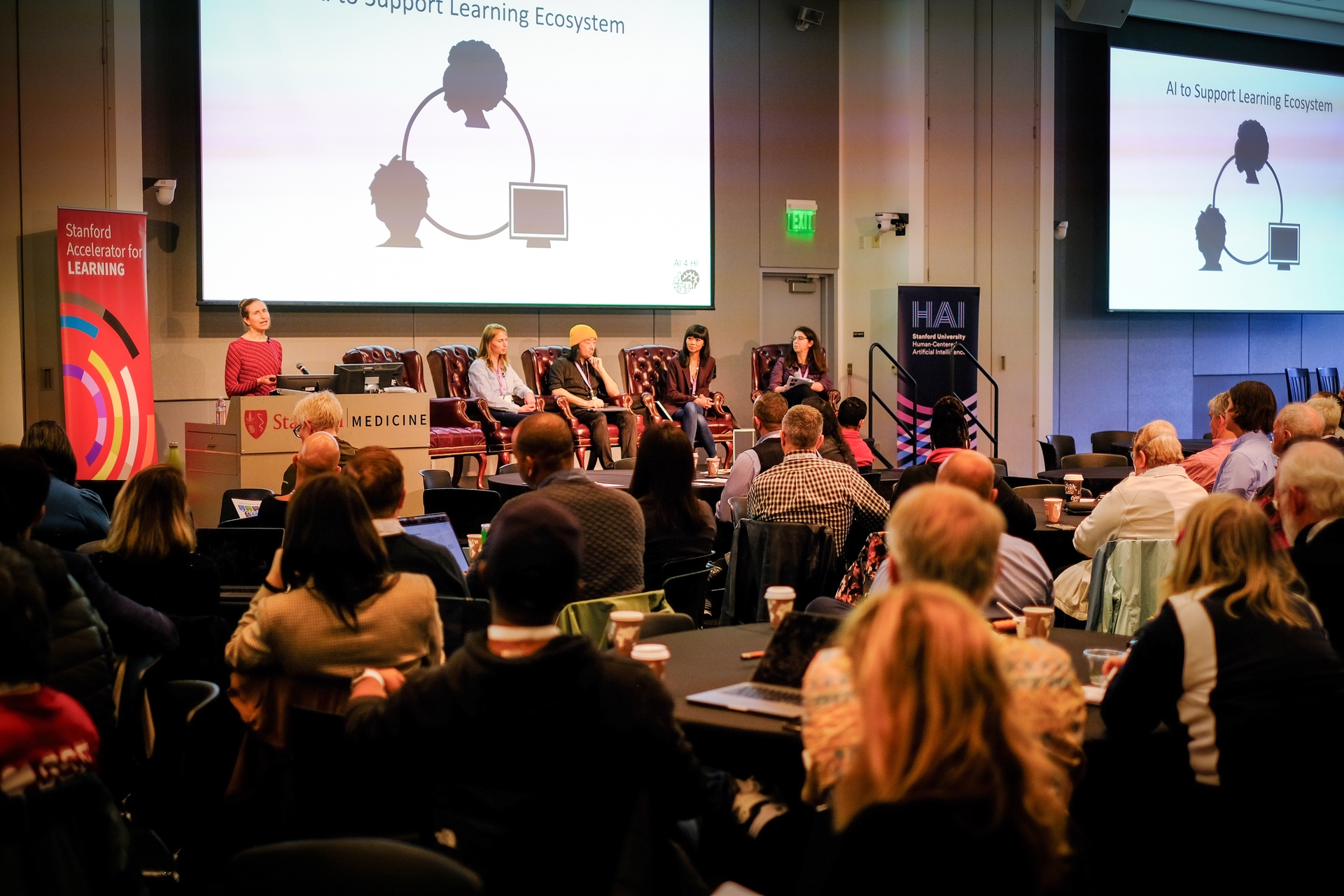
A year after generative AI shocked the education world, the second annual AI+Education Summit reflected on new tools and research for classrooms.

Nonprofits see real potential in mission-driven AI tools. A new survey suggests future opportunities.

Nonprofits see real potential in mission-driven AI tools. A new survey suggests future opportunities.

To realize the benefits of AI in detecting diseases such as skin cancer, doctors need to trust in the decisions rendered by AI. That requires better understanding of its internal reasoning.

To realize the benefits of AI in detecting diseases such as skin cancer, doctors need to trust in the decisions rendered by AI. That requires better understanding of its internal reasoning.
Stanford HAI faculty fellow says there’s a better way to make health data useful for patients and clinicians.
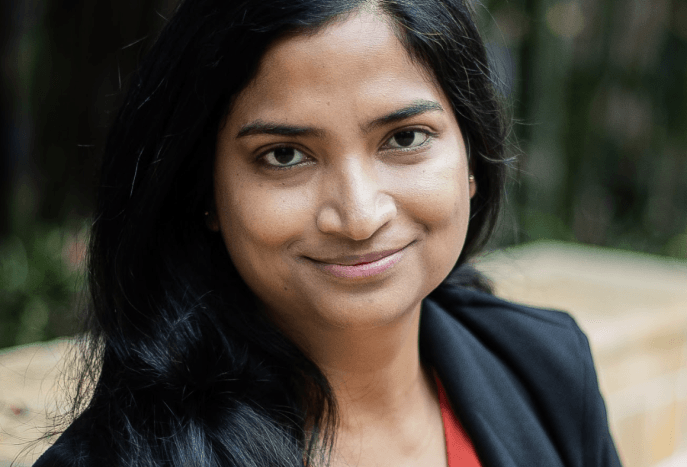
Stanford HAI faculty fellow says there’s a better way to make health data useful for patients and clinicians.

Stanford HAI leader James Landay joined executives and policymakers in Switzerland for the major economic summit.
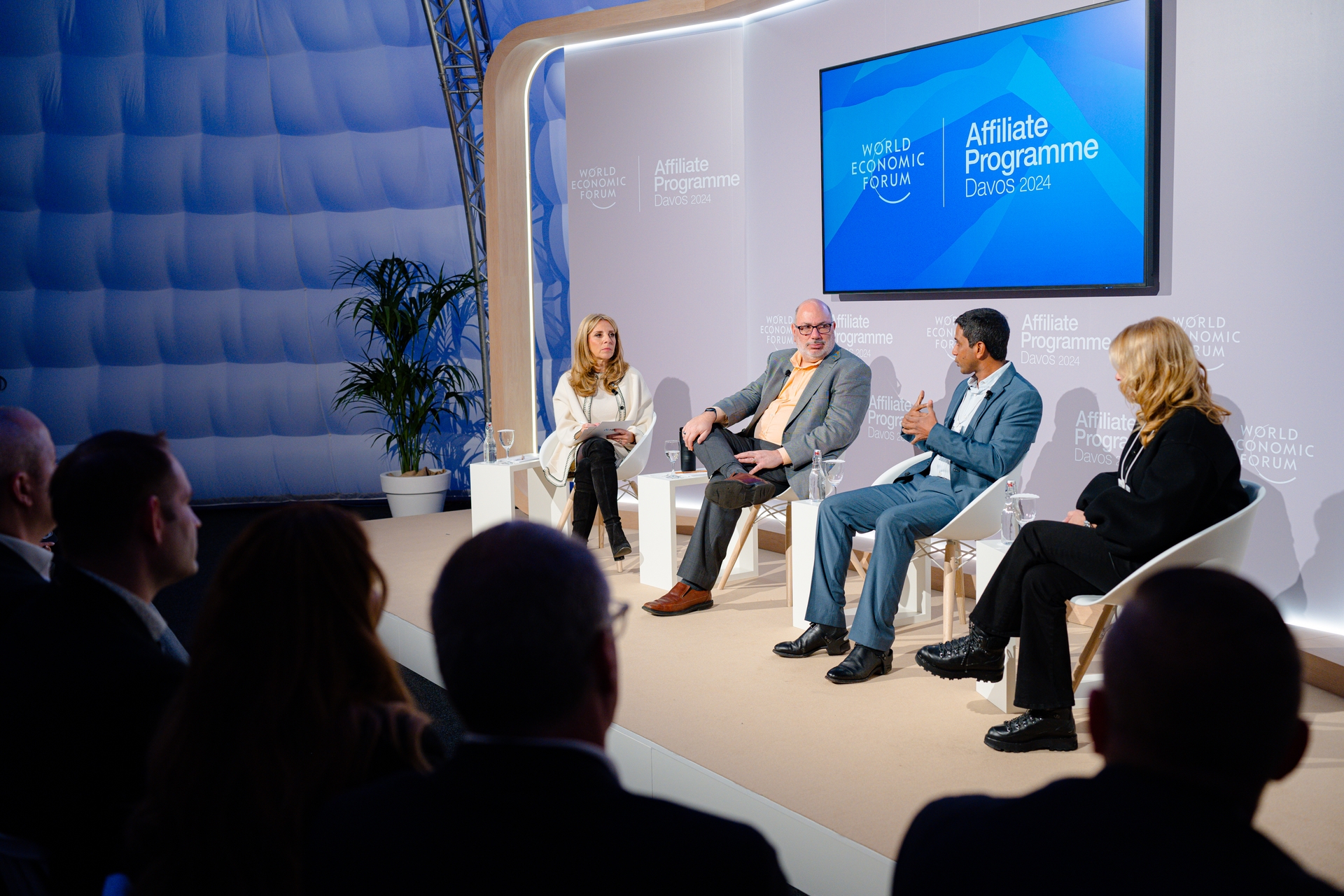
Stanford HAI leader James Landay joined executives and policymakers in Switzerland for the major economic summit.
35 Stanford Research Teams Receive 2023 HAI Seed Grants and HAI-AIMI Partnership Grants
Stanford HAI awards $2.2 million for early-stage researchers to pursue new ideas in AI-related fields
Stanford HAI awards $2.2 million for early-stage researchers to pursue new ideas in AI-related fields
Wearing a non-invasive, electronic cap that reads the wearer’s EEGs, humans can now command robots to perform a range of everyday tasks.
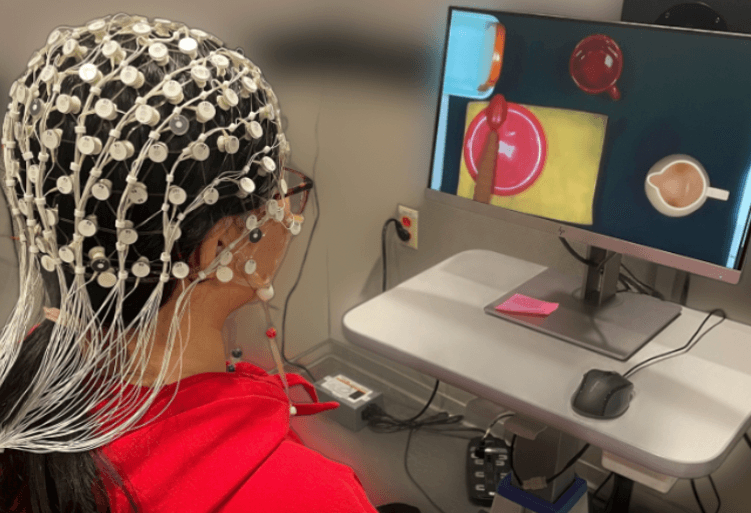
Wearing a non-invasive, electronic cap that reads the wearer’s EEGs, humans can now command robots to perform a range of everyday tasks.
Hallucinating Law: Legal Mistakes with Large Language Models are Pervasive

A new study finds disturbing and pervasive errors among three popular models on a wide range of legal tasks.

A new study finds disturbing and pervasive errors among three popular models on a wide range of legal tasks.
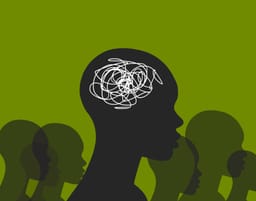
Scholars develop a new model to surface high-risk messages and dramatically reduce the time it takes to reach a patient in crisis, from 10 hours to 10 minutes.
Scholars develop a new model to surface high-risk messages and dramatically reduce the time it takes to reach a patient in crisis, from 10 hours to 10 minutes.
Five leaders will serve as the Advisory Board for a new initiative to measure and improve transparency in the foundation model ecosystem.
Five leaders will serve as the Advisory Board for a new initiative to measure and improve transparency in the foundation model ecosystem.

Stanford scholars explore advances in foundation models, explore the next-generation chip, and study causal models at the recent Hoffman-Yee Symposium.

Stanford scholars explore advances in foundation models, explore the next-generation chip, and study causal models at the recent Hoffman-Yee Symposium.
Seven Stanford HAI faculty and fellows predict the biggest stories for next year in artificial intelligence.
Seven Stanford HAI faculty and fellows predict the biggest stories for next year in artificial intelligence.
Generative models dominated the year, as calls for policy and transparency heated up.
Generative models dominated the year, as calls for policy and transparency heated up.