
Stanford AIMI scholars found a way to generate synthetic chest X-rays by fine-tuning the open-source Stable Diffusion foundation model.
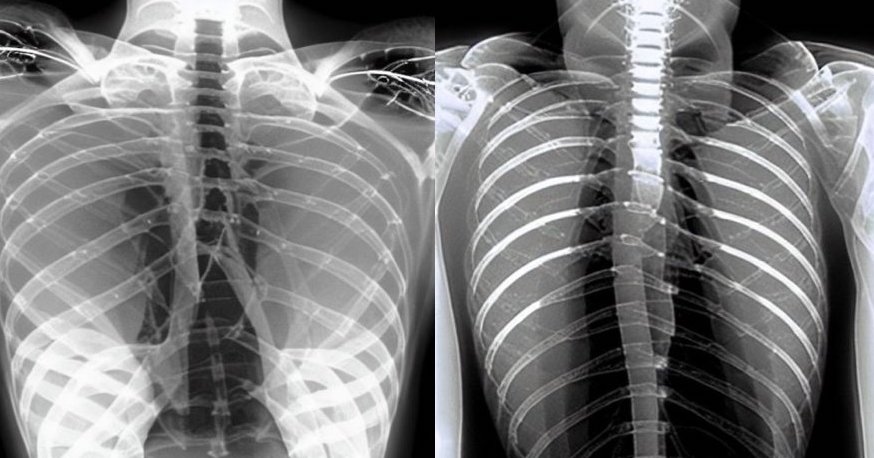
Stanford AIMI scholars found a way to generate synthetic chest X-rays by fine-tuning the open-source Stable Diffusion foundation model.

At HAI’s fall conference, speakers define what human-centered design looks like, challenge our current metrics of success, and call for “productive discomfort.”
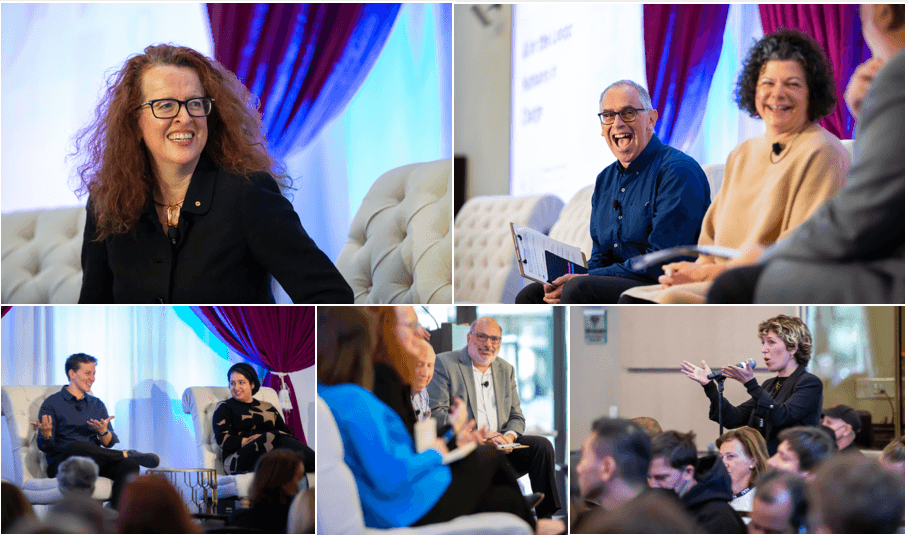
At HAI’s fall conference, speakers define what human-centered design looks like, challenge our current metrics of success, and call for “productive discomfort.”
Scholars benchmark 30 prominent language models across a wide range of scenarios and for a broad range of metrics to elucidate their capabilities and risks.
Scholars benchmark 30 prominent language models across a wide range of scenarios and for a broad range of metrics to elucidate their capabilities and risks.

Stanford researchers explore how to improve AI-generated descriptions of online images for blind and low-vision users.

Stanford researchers explore how to improve AI-generated descriptions of online images for blind and low-vision users.

The U.S. continues to ramp up export controls on chips (and maybe soon AI), the first lawsuit is filed for software piracy, and more.

The U.S. continues to ramp up export controls on chips (and maybe soon AI), the first lawsuit is filed for software piracy, and more.
Is This a Deer I See? Socially Aware AI Adapts by Asking Questions of Humans

When confronted with new or unfamiliar surroundings, a novel AI agent effectively trains itself through discussions with people.

When confronted with new or unfamiliar surroundings, a novel AI agent effectively trains itself through discussions with people.
Police Facebook Posts Disproportionately Highlight Crimes Involving Black Suspects, Study Finds

New research funded in part by a HAI grant reveals that Facebook users are exposed to crime posts that overrepresent Black suspects by 25 percent relative to arrest rates.

New research funded in part by a HAI grant reveals that Facebook users are exposed to crime posts that overrepresent Black suspects by 25 percent relative to arrest rates.

Here are the workshops, competitions, and posters from Stanford researchers at this year’s machine learning and computational neuroscience conference.

Here are the workshops, competitions, and posters from Stanford researchers at this year’s machine learning and computational neuroscience conference.

The bill requires fundamental changes to platform design and personalization settings.

The bill requires fundamental changes to platform design and personalization settings.

A team of data scientists apply machine learning and computer vision to create an index that tracks neighborhood inequality.

A team of data scientists apply machine learning and computer vision to create an index that tracks neighborhood inequality.

Scholars envision a future where people and machines are collaborators, not competitors.

Scholars envision a future where people and machines are collaborators, not competitors.

Stanford HAI’s upcoming conference challenges attendees to rethink AI systems with a “human in the loop” and consider a future where people remain at the center of decision making.

Stanford HAI’s upcoming conference challenges attendees to rethink AI systems with a “human in the loop” and consider a future where people remain at the center of decision making.

Natural language processing assists pediatricians in drawing the fine line between a teen’s right to privacy and a parent’s right to know.

Natural language processing assists pediatricians in drawing the fine line between a teen’s right to privacy and a parent’s right to know.

Predicting initiation points based on voice intonation instead of silence detection could lead to the next generation of voice assistant technology.

Predicting initiation points based on voice intonation instead of silence detection could lead to the next generation of voice assistant technology.

The apps and tools we use are not neutral, says Stanford HAI’s new visiting artist.

The apps and tools we use are not neutral, says Stanford HAI’s new visiting artist.

The Texas social media law moves forward, TikTok agrees to audits, and an EU proposal causes controversy over open-source models.

The Texas social media law moves forward, TikTok agrees to audits, and an EU proposal causes controversy over open-source models.

To address climate change, Stanford engineer Jef Caers is developing an AI system to help make optimal planning decisions sooner rather than later.

To address climate change, Stanford engineer Jef Caers is developing an AI system to help make optimal planning decisions sooner rather than later.