
A Stanford team used quantitative image analysis and data fusion to predict COVID severity in patients. The approach could prove useful beyond coronavirus.

A Stanford team used quantitative image analysis and data fusion to predict COVID severity in patients. The approach could prove useful beyond coronavirus.

By providing quantitative predictions of how people think about causation, Stanford researchers offer a bridge between psychology and artificial intelligence.

By providing quantitative predictions of how people think about causation, Stanford researchers offer a bridge between psychology and artificial intelligence.
HAI Fellow Michelle Spektor: How the History of Biometrics Informs Its Future

Israel’s and the UK’s decisions regarding biometric ID reveal major differences in how countries and social movements view this technology.

Israel’s and the UK’s decisions regarding biometric ID reveal major differences in how countries and social movements view this technology.

With Trove, weakly supervised NLP of clinical text is fast, adaptive, shareable, and high performing.

With Trove, weakly supervised NLP of clinical text is fast, adaptive, shareable, and high performing.

The ethics expert discusses problematic incentive structures, rising employee activism, and the need for board accountability.

The ethics expert discusses problematic incentive structures, rising employee activism, and the need for board accountability.
Researchers compare traditional image reconstruction approaches with two promising AI techniques.
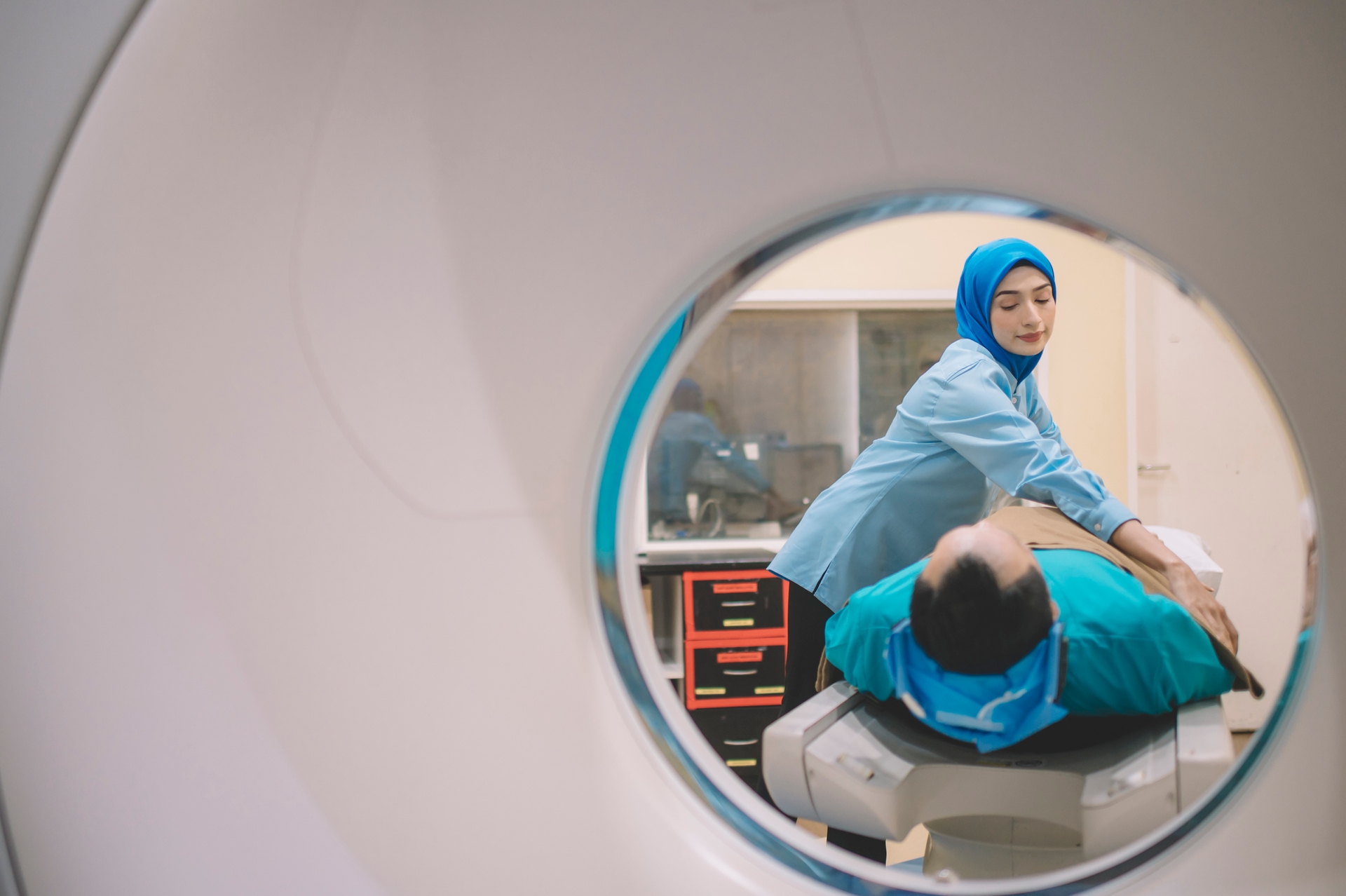
Researchers compare traditional image reconstruction approaches with two promising AI techniques.
Stanford Researchers: AI Technologies Must Not Exacerbate Health Care Disparities

Medical devices employing AI stand to benefit everyone in society, but if left unchecked, the technologies could unintentionally perpetuate sex, gender and race biases.

Medical devices employing AI stand to benefit everyone in society, but if left unchecked, the technologies could unintentionally perpetuate sex, gender and race biases.
Artificial intelligence, interpreting data from a device placed at the brain’s surface, enables people who are paralyzed or have severely impaired limb movement to communicate by text.
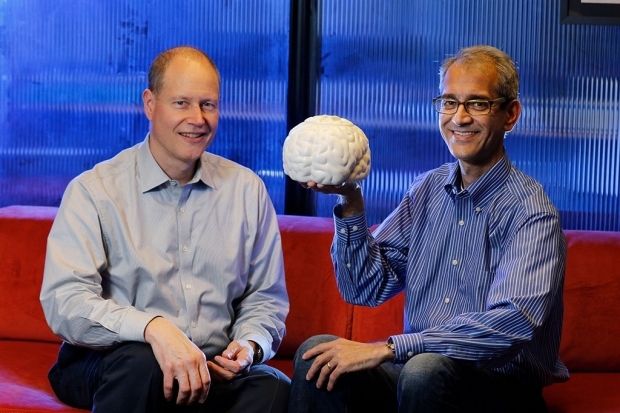
Artificial intelligence, interpreting data from a device placed at the brain’s surface, enables people who are paralyzed or have severely impaired limb movement to communicate by text.

Two experts discuss the intersection of AI and health care, including application opportunities and implementation challenges.

Two experts discuss the intersection of AI and health care, including application opportunities and implementation challenges.

Technology is pushing the boundaries of what's possible in video editing. Professor Maneesh Agrawala explains the exciting possibilities.

Technology is pushing the boundaries of what's possible in video editing. Professor Maneesh Agrawala explains the exciting possibilities.
Is Natural Language Processing Ready to Take on Legal Hearings?

AI can help us read tens of thousands of case records within minutes, but some key Natural Language Processing challenges remain.

AI can help us read tens of thousands of case records within minutes, but some key Natural Language Processing challenges remain.
HAI Co-Director Fei-Fei Li and Andrew Ng, Stanford Professor and Founder of DeepLearning, share their thoughts in a co-hosted event on Healthcare's AI Future
HAI Co-Director Fei-Fei Li and Andrew Ng, Stanford Professor and Founder of DeepLearning, share their thoughts in a co-hosted event on Healthcare's AI Future
Stanford scholars found that an optimized exoskeleton system increased walking speed by about 40% in lab tests.
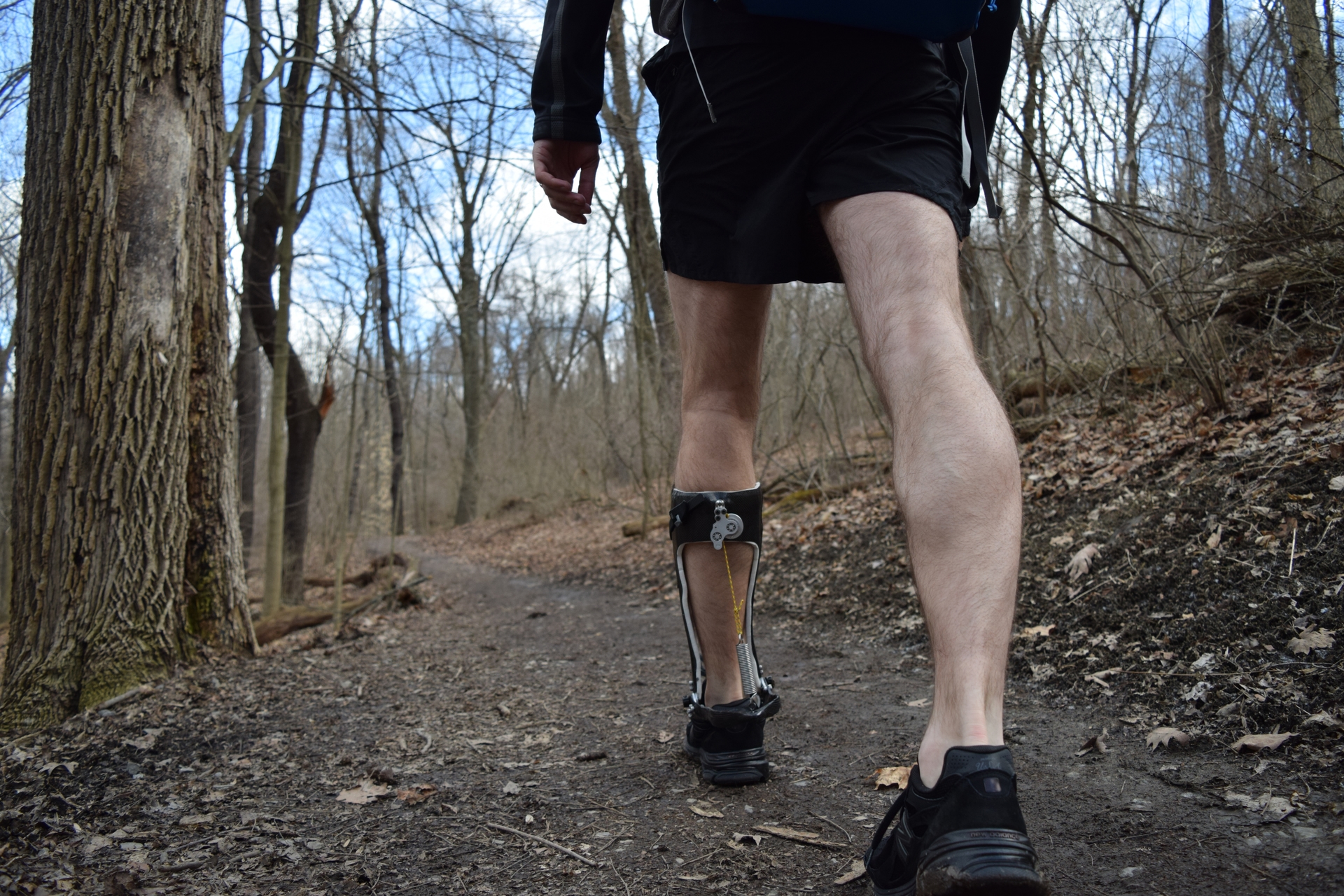
Stanford scholars found that an optimized exoskeleton system increased walking speed by about 40% in lab tests.

An AI intensive policy lab offered by HAI and the European University Institute will help policymakers envision a democratic model of tech governance.
An AI intensive policy lab offered by HAI and the European University Institute will help policymakers envision a democratic model of tech governance.

A chip designer talks about how advances in hardware will be needed to make the much-hyped artificially intelligent future a reality.
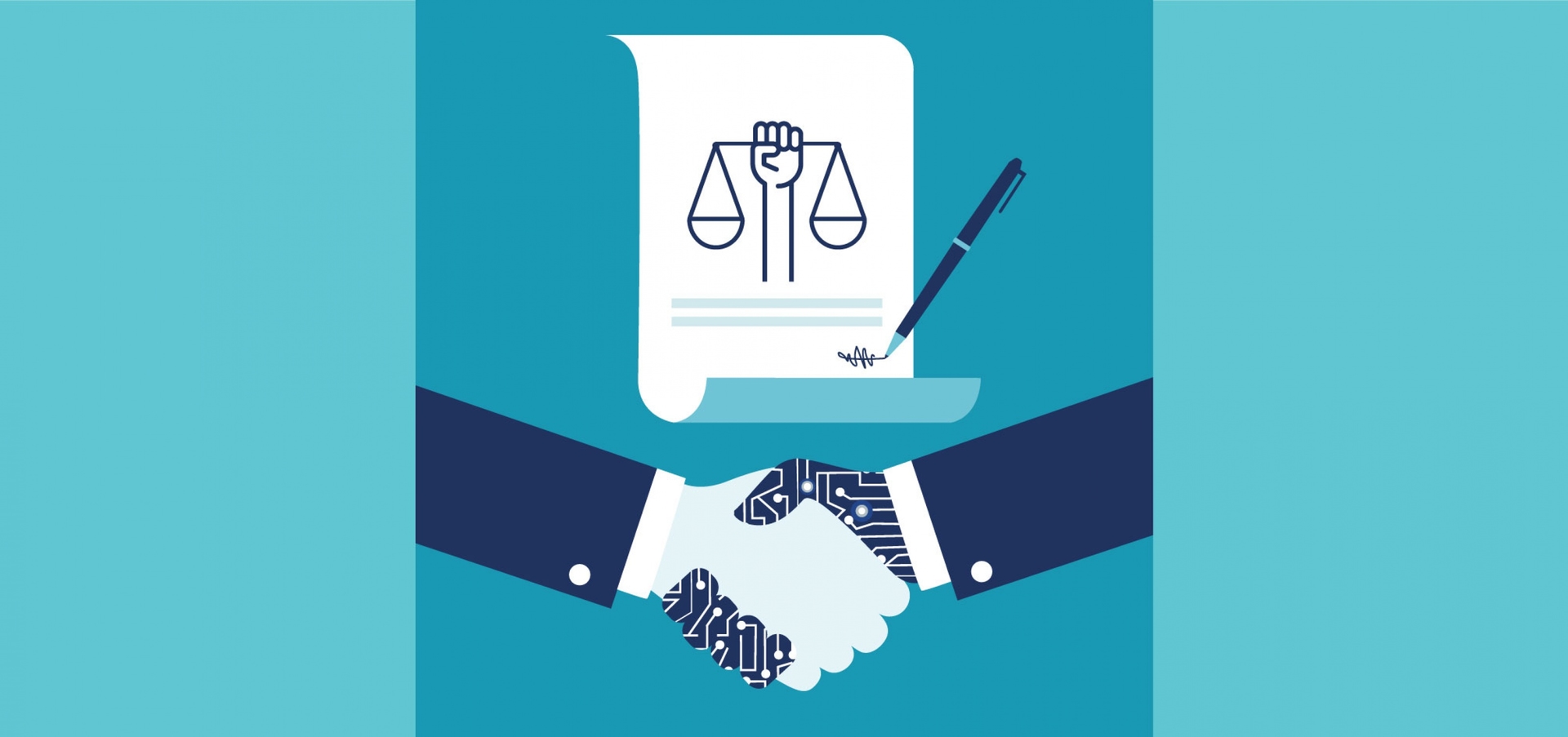
A chip designer talks about how advances in hardware will be needed to make the much-hyped artificially intelligent future a reality.
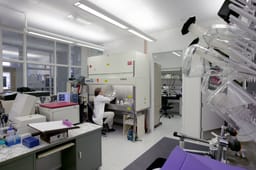
A new study finds limitations in the FDA’s approval process.
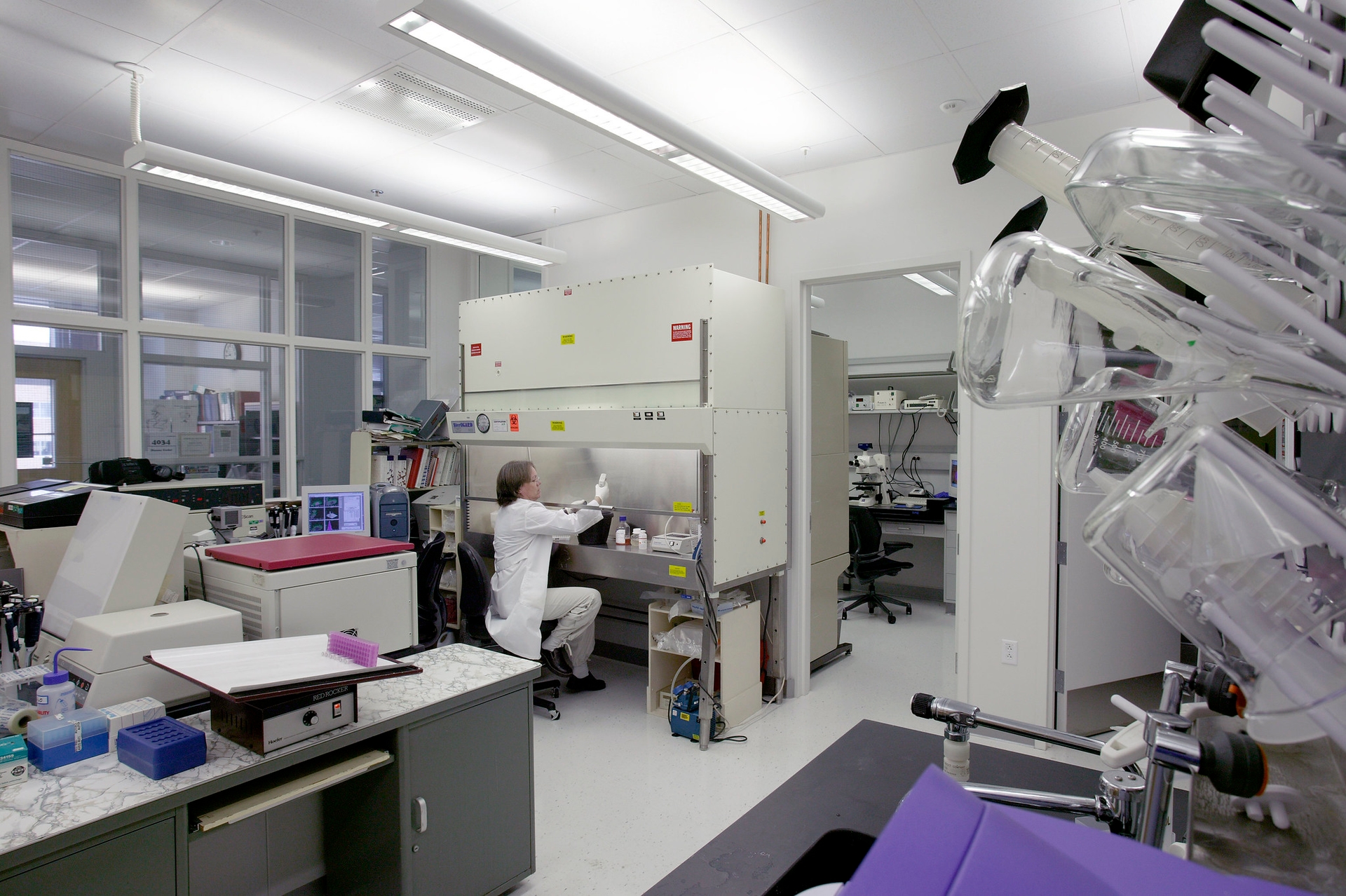
A new study finds limitations in the FDA’s approval process.
AI Expands the Reach of Clinical Trials, Broadening Access to More Women, Minority, and Older Patients
Using artificial intelligence to scour medical records, researchers were able to double the number of patients who qualified for clinical trials, while expanding the pool’s gender, age, and racial profile.
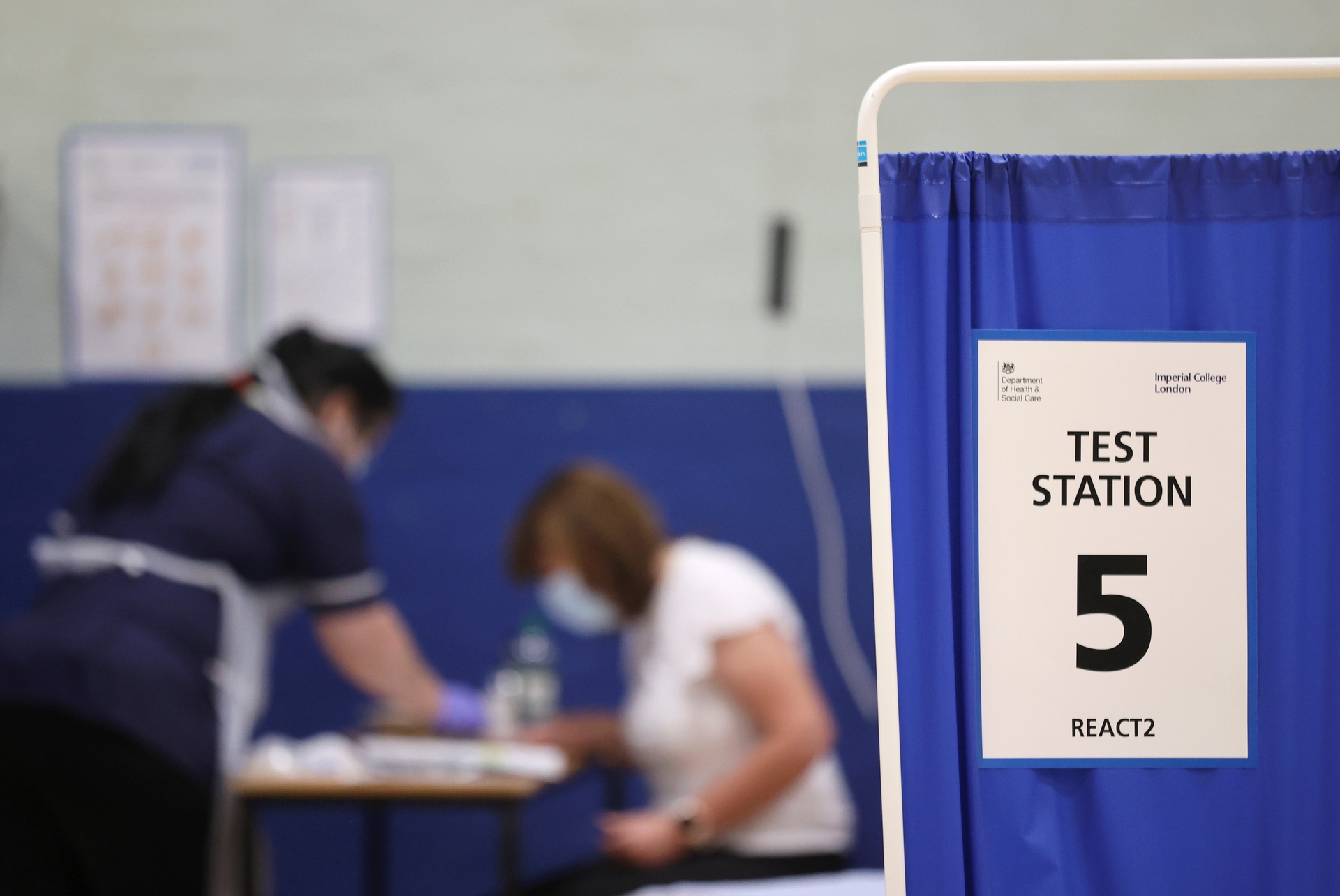
Using artificial intelligence to scour medical records, researchers were able to double the number of patients who qualified for clinical trials, while expanding the pool’s gender, age, and racial profile.
When Artificial Agents Lie, Defame, and Defraud, Who Is to Blame?

Scholars consider how the legal system might protect and regulate non-human actors.

Scholars consider how the legal system might protect and regulate non-human actors.