Using “Pile of Law,” a dataset of legal materials, Stanford researchers explore filtering private or toxic content from training data for foundation models.
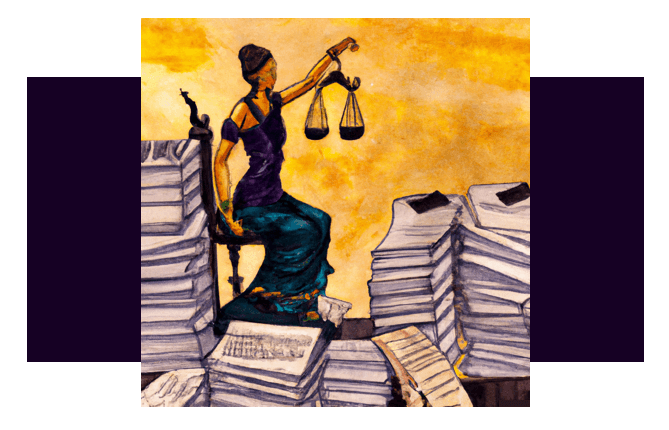
Using “Pile of Law,” a dataset of legal materials, Stanford researchers explore filtering private or toxic content from training data for foundation models.

Our HAI community offered up the best books in AI that they’re reading.

Our HAI community offered up the best books in AI that they’re reading.

A new study explores how to apply machine learning to digital assistants in a way that could better protect our data.

A new study explores how to apply machine learning to digital assistants in a way that could better protect our data.

Using AI, scholars track political speech on immigration over decades to find more positive attitudes than at any point in history, but with more partisan divide.
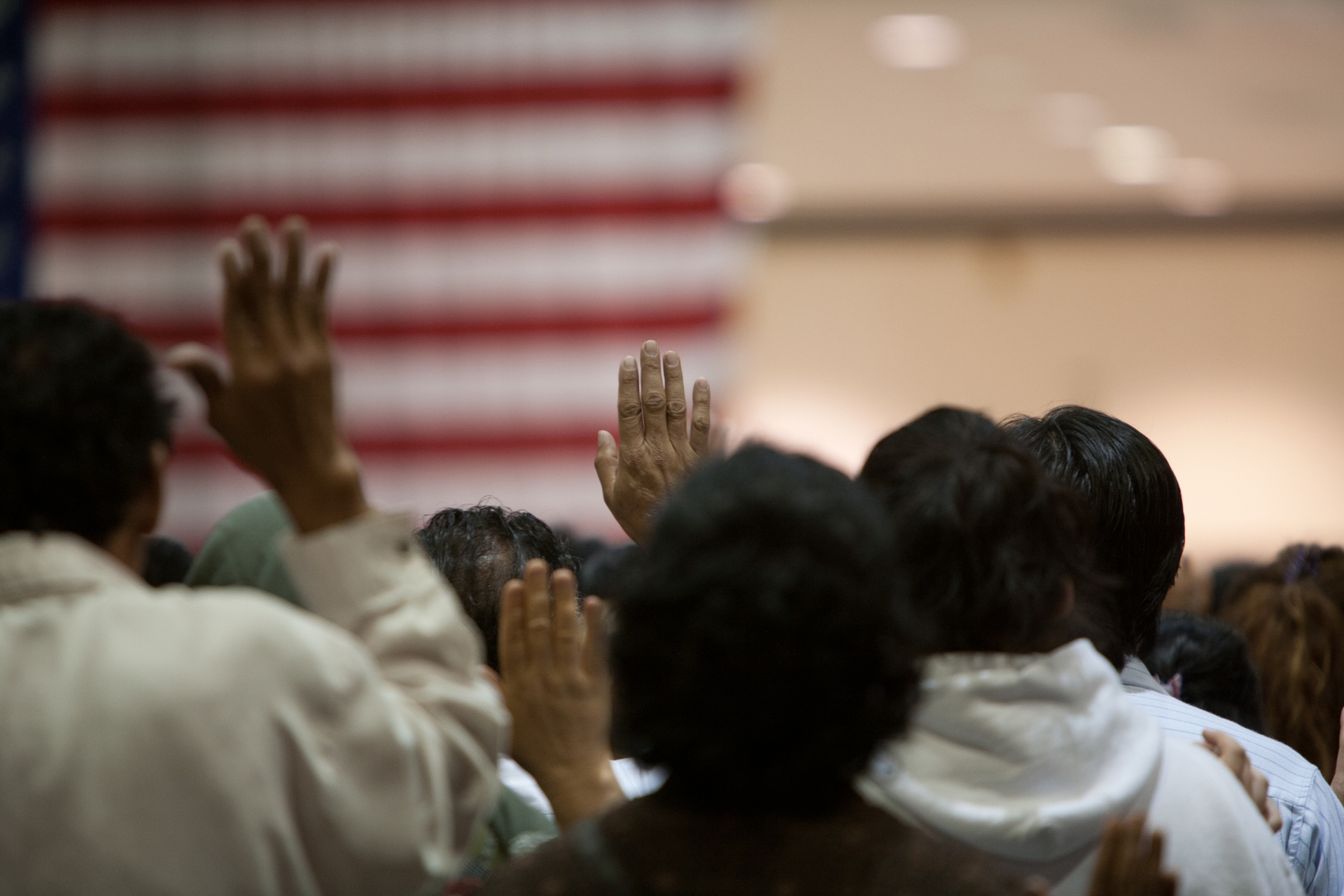
Using AI, scholars track political speech on immigration over decades to find more positive attitudes than at any point in history, but with more partisan divide.

Decision-support tools for helping physicians follow clinical guidelines are increasingly using artificial intelligence, highlighting the need to remove bias from underlying algorithms.

Decision-support tools for helping physicians follow clinical guidelines are increasingly using artificial intelligence, highlighting the need to remove bias from underlying algorithms.
Professor Ho honored for his contributions to AI and Law, and for helping fight the COVID-19 pandemic.
Professor Ho honored for his contributions to AI and Law, and for helping fight the COVID-19 pandemic.
Computer Scientists Can’t Treat Social and Ethical Impacts as an Afterthought

A new National Academies of Science report argues that researchers must start projects with ethical review, working with stakeholders and experts from other fields.

A new National Academies of Science report argues that researchers must start projects with ethical review, working with stakeholders and experts from other fields.
Londa Schiebinger: Inclusive Design Will Help Create AI That Works For Everyone

The international expert on gender in science and technology discusses tools she developed to help professionals build more inclusive AI.

The international expert on gender in science and technology discusses tools she developed to help professionals build more inclusive AI.
AI systems must be evaluated for legal compliance, in particular laws protecting people from illegal discrimination. This challenge seeks to broaden the tools available to people who want to analyze and regulate them.
AI systems must be evaluated for legal compliance, in particular laws protecting people from illegal discrimination. This challenge seeks to broaden the tools available to people who want to analyze and regulate them.
Technology Economist Susan Athey Adds DOJ Role to Her Multidimensional Career

Stanford Graduate School of Business professor and HAI Associate Director Susan Athey will serve as chief economist of the antitrust division at the U.S. Department of Justice.

Stanford Graduate School of Business professor and HAI Associate Director Susan Athey will serve as chief economist of the antitrust division at the U.S. Department of Justice.
"Worse" AI Counterintuitively Enhances Human Decision Making and Performance

AI systems that more closely align with human notions of confidence could lead to more effective human-AI collaboration.

AI systems that more closely align with human notions of confidence could lead to more effective human-AI collaboration.
Percy Liang on the Center for Research on Foundation Models' First and Next 30 Years
In this podcast, two scholars discuss being 'weirded out' by GPT-3, unresolved questions in building best practices, and the future of CRFM.
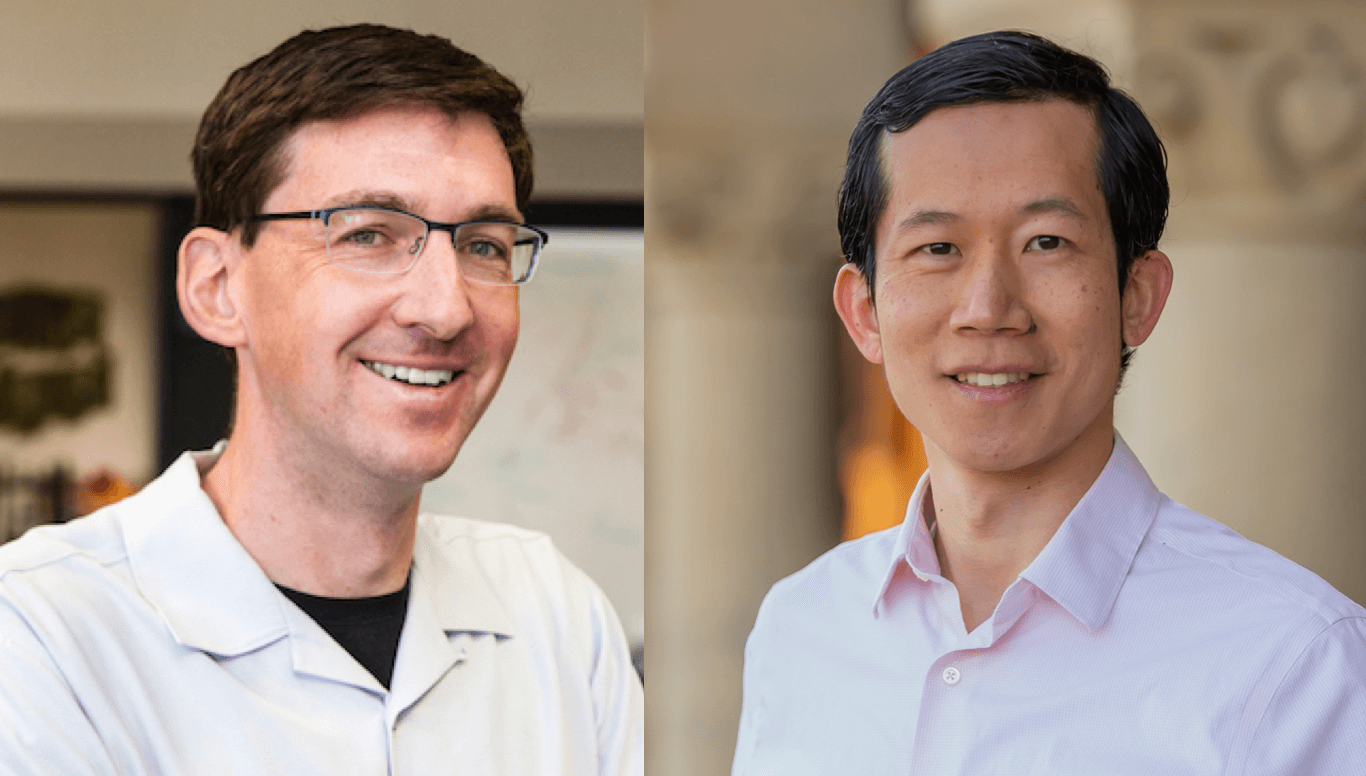
In this podcast, two scholars discuss being 'weirded out' by GPT-3, unresolved questions in building best practices, and the future of CRFM.

Stanford’s RoboCraft learns to mold deformable objects from visual cues, a capability that could lead to more useful home assistants.

Stanford’s RoboCraft learns to mold deformable objects from visual cues, a capability that could lead to more useful home assistants.

On ethics, the AI profession is still like a “late-stage teenager,” says the Stanford philosopher.

On ethics, the AI profession is still like a “late-stage teenager,” says the Stanford philosopher.

In healthcare, predictive models need to be more than good predictors. Stanford scholars suggest a framework for determining a model’s worth.

In healthcare, predictive models need to be more than good predictors. Stanford scholars suggest a framework for determining a model’s worth.

A Stanford researcher questions the need for generalizable models and proposes instead sharing recipes for creating useful local models.

A Stanford researcher questions the need for generalizable models and proposes instead sharing recipes for creating useful local models.
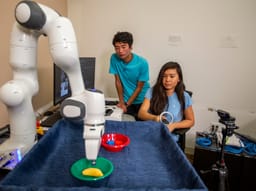
In the latest industry brief, learn about how scholars are advancing more adaptive, assistive robotics and pushing forward autonomous technology.

In the latest industry brief, learn about how scholars are advancing more adaptive, assistive robotics and pushing forward autonomous technology.
Who Decides? Dealing with Online Toxic Speech by Selecting the Decision Makers

A novel jury learning system lets content moderators explicitly choose which people to listen to when training machine learning systems to recognize toxic speech.

A novel jury learning system lets content moderators explicitly choose which people to listen to when training machine learning systems to recognize toxic speech.