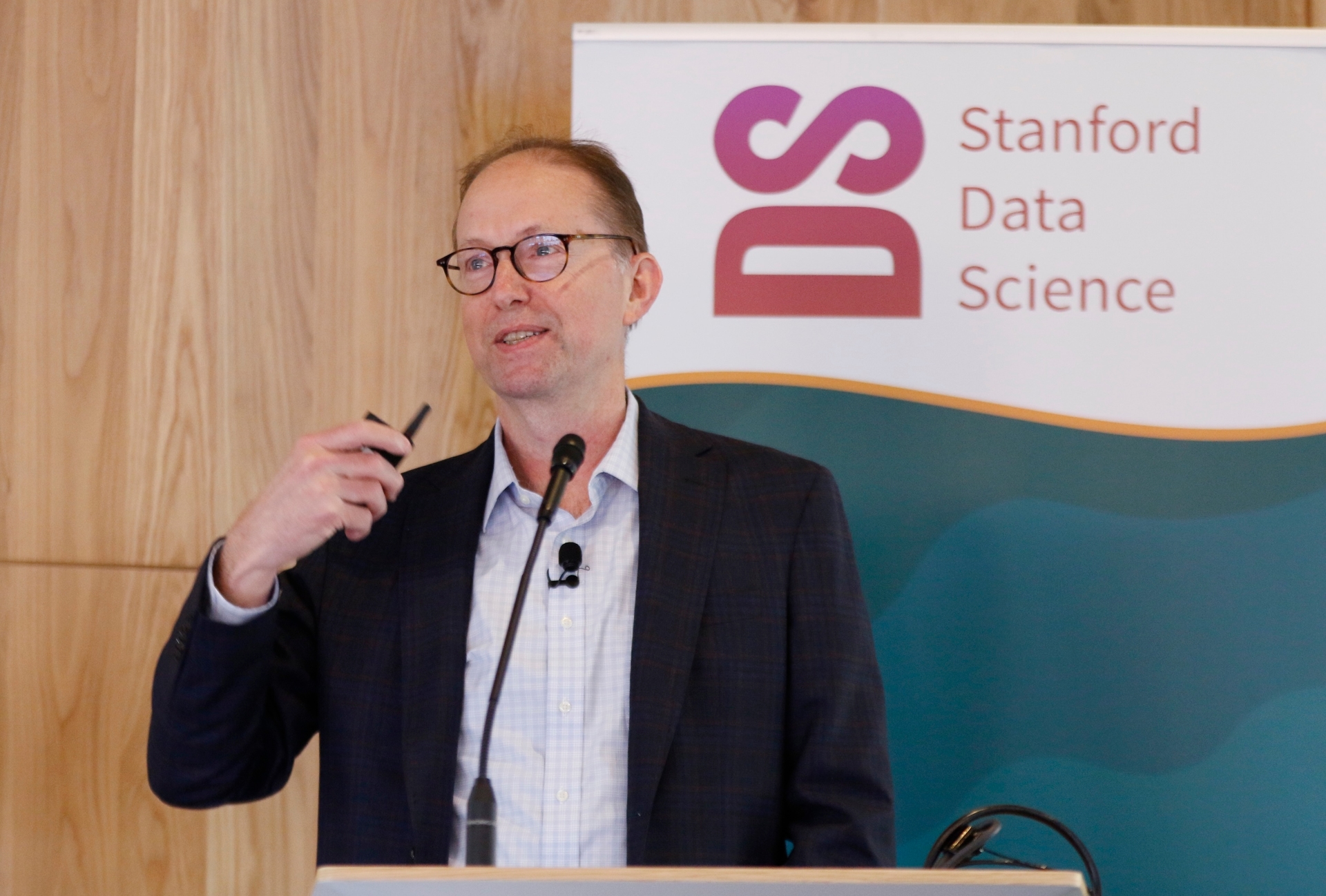
Stanford HAI Co-Director James Landay speaks about AI's impacts on the workforce.
Stanford HAI Co-Director James Landay speaks about AI's impacts on the workforce.
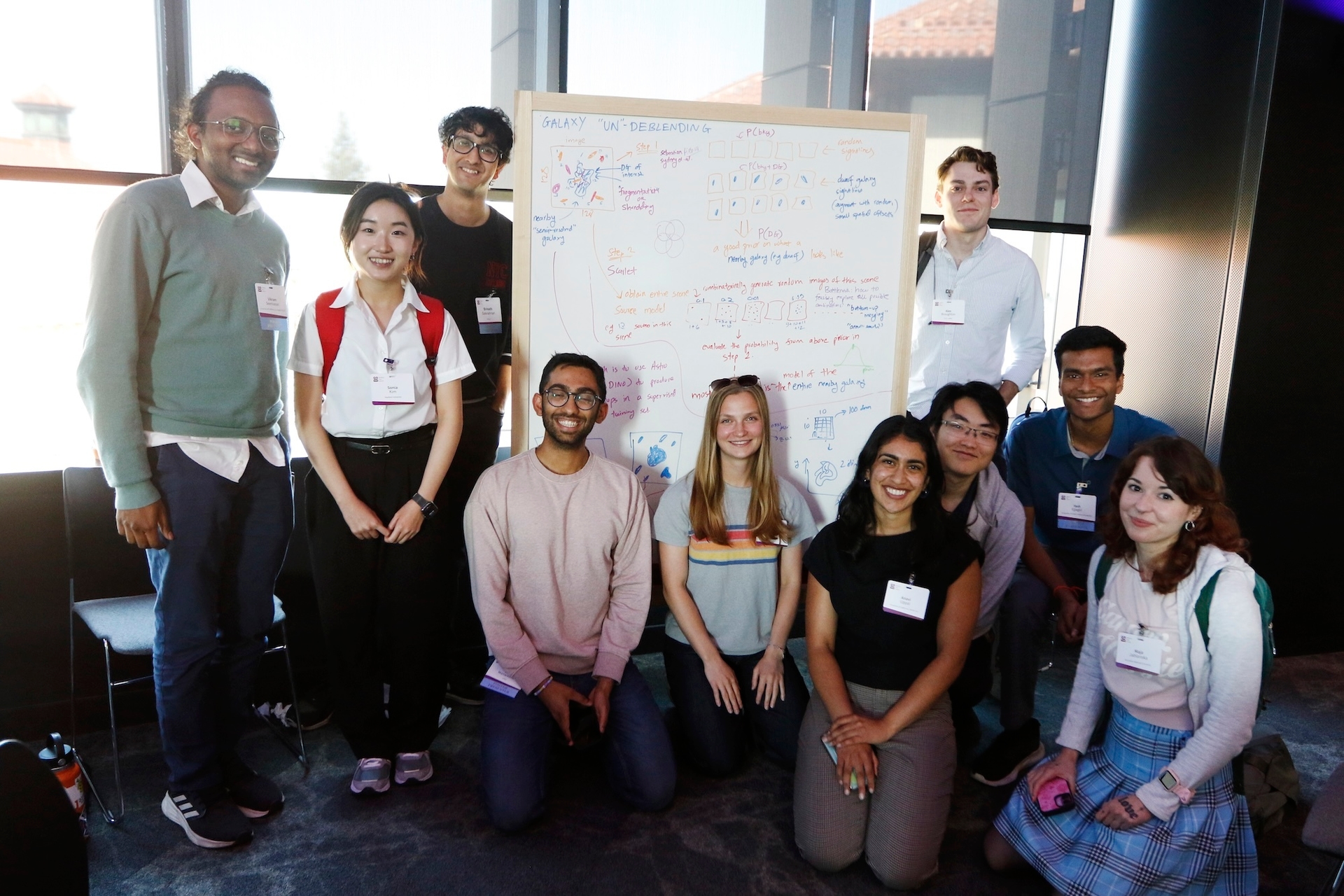

A Stanford study captures the gap between worker desires and AI’s abilities, and highlights areas ripe for research and development.

A Stanford study captures the gap between worker desires and AI’s abilities, and highlights areas ripe for research and development.
Stanford AI Scholars Find Support for Innovation in a Time of Uncertainty

Stanford HAI offers critical resources for faculty and students to continue groundbreaking research across the vast AI landscape.

Stanford HAI offers critical resources for faculty and students to continue groundbreaking research across the vast AI landscape.
New Large Language Model Helps Patients Understand Their Radiology Reports

‘RadGPT’ cuts through medical jargon to answer common patient questions.

‘RadGPT’ cuts through medical jargon to answer common patient questions.

Different AI agents have wildly different negotiation skills. If we outsource these tasks to agents, we may need to bring the "best" AI agent to the digital table.

Different AI agents have wildly different negotiation skills. If we outsource these tasks to agents, we may need to bring the "best" AI agent to the digital table.



Stanford researchers highlight the ongoing challenges of language discrimination in academic publishing, revealing that AI tools may not be the solution for non-native speakers.

Stanford researchers highlight the ongoing challenges of language discrimination in academic publishing, revealing that AI tools may not be the solution for non-native speakers.