Fei-Fei Li's Briefing to the United Nations Security Council

In this address, presented to the United Nations Security Council meeting on "Maintenance of International Peace and Security and Artificial Intelligence," Fei-Fei Li stresses the importance of public sector leadership, global collaboration, and evidence-based policymaking to unlock AI’s potential and ensure its responsible development.
Related Publications
The 2026 US Talent Report: Benchmarking America’s STEM Pipeline Amid the Great Talent Competition
This report assesses America's ability to develop, attract, and retain STEM talent and warns that its advantages over China are narrowing rapidly.
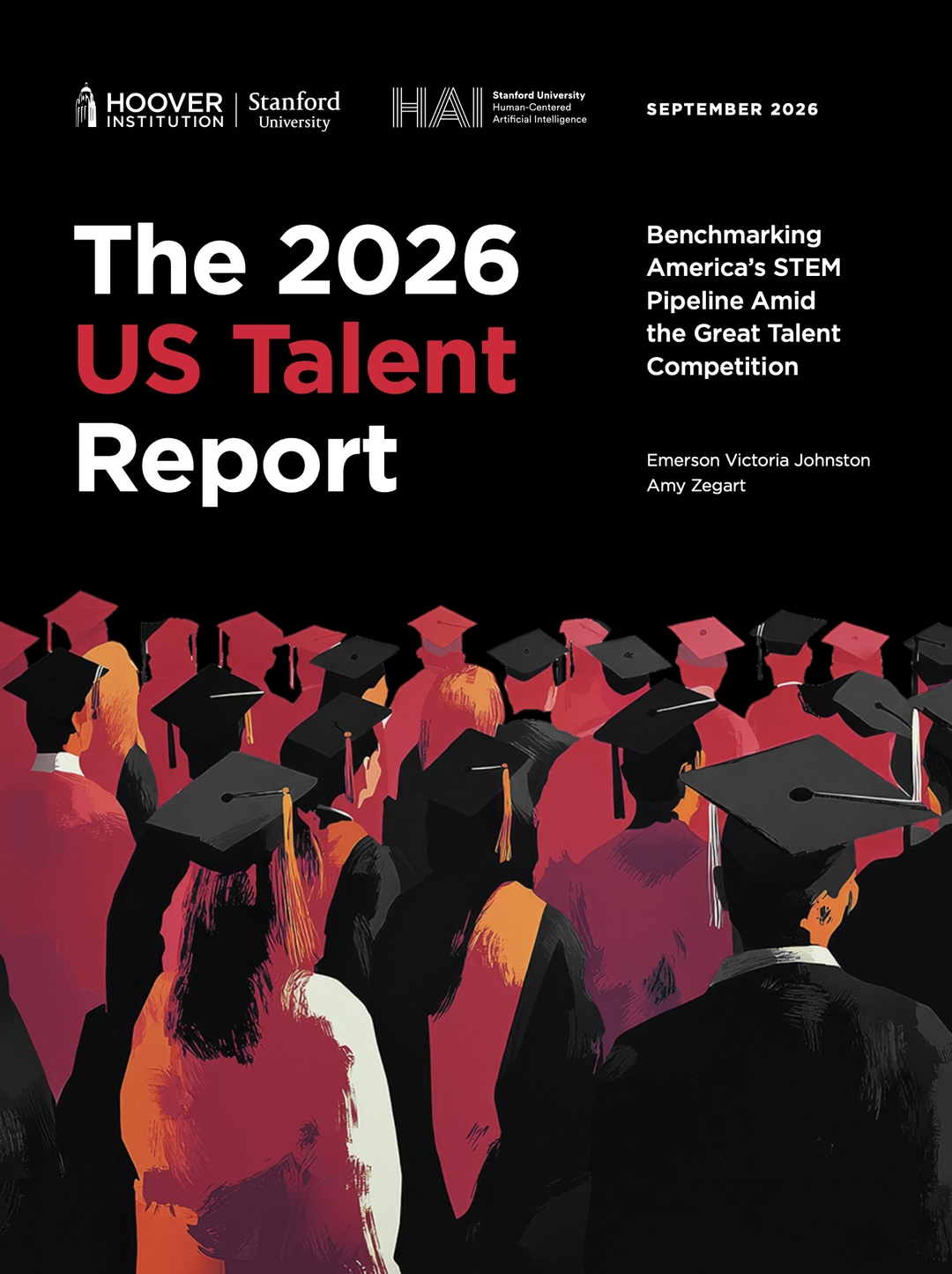
This report assesses America's ability to develop, attract, and retain STEM talent and warns that its advantages over China are narrowing rapidly.
The Commercial Landscape of AI Sovereignty Offerings
This brief surveys the commercial AI sovereignty market and argues that policymakers should focus on calibrating interdependence rather than pursuing full self-sufficiency.
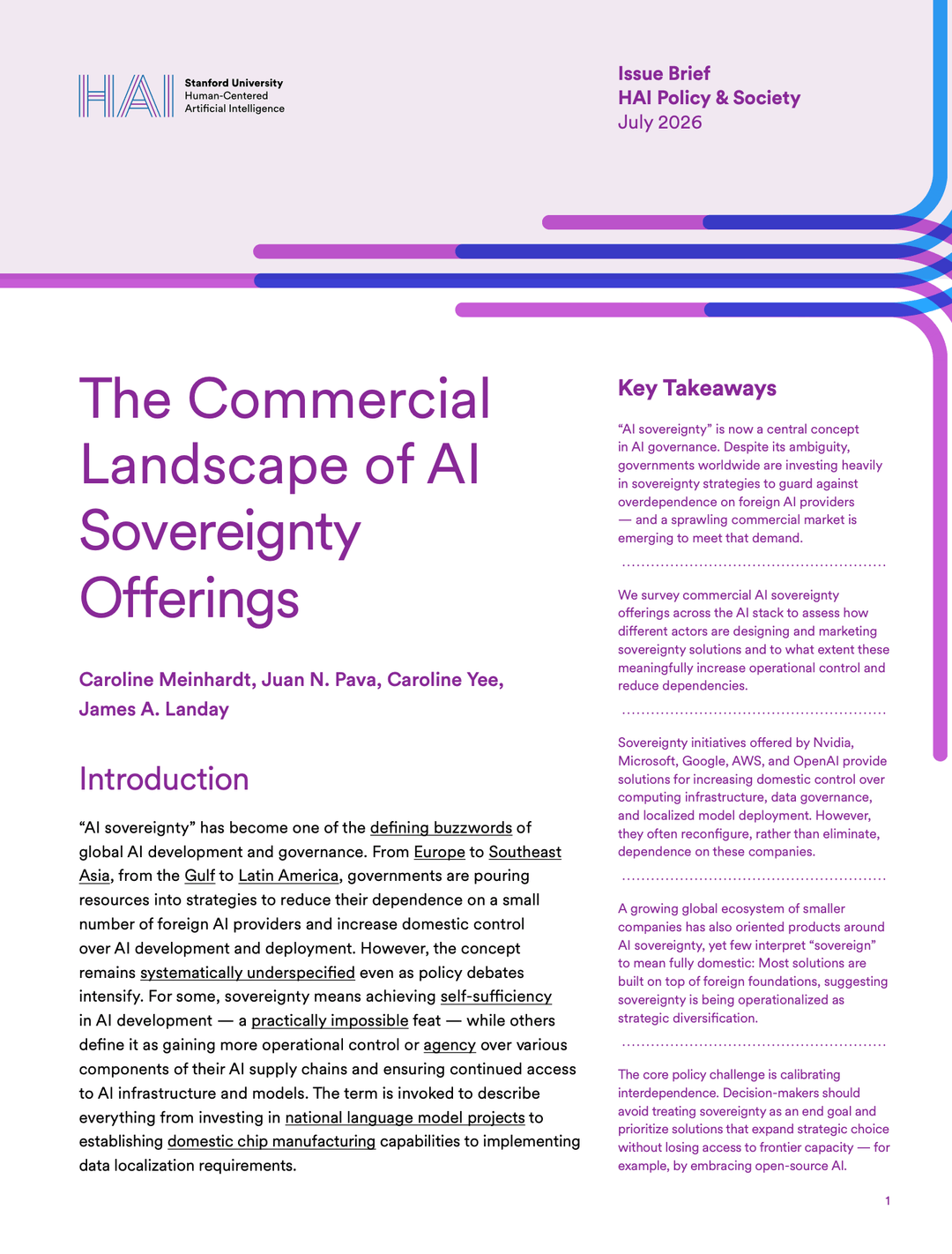
This brief surveys the commercial AI sovereignty market and argues that policymakers should focus on calibrating interdependence rather than pursuing full self-sufficiency.
How Can AI Support Language Digitization and Digital Inclusion?
This white paper analyzes the varying ways AI tools can advance language digitization work, and provides recommendations for responsibly realizing the potential of AI in supporting the digital inclusion of digitally disadvantaged languages.
This white paper analyzes the varying ways AI tools can advance language digitization work, and provides recommendations for responsibly realizing the potential of AI in supporting the digital inclusion of digitally disadvantaged languages.
Beyond DeepSeek: China's Diverse Open-Weight AI Ecosystem and Its Policy Implications
Almost one year after the “DeepSeek moment,” this brief analyzes China’s diverse open-model ecosystem and examines the policy implications of their widespread global diffusion.
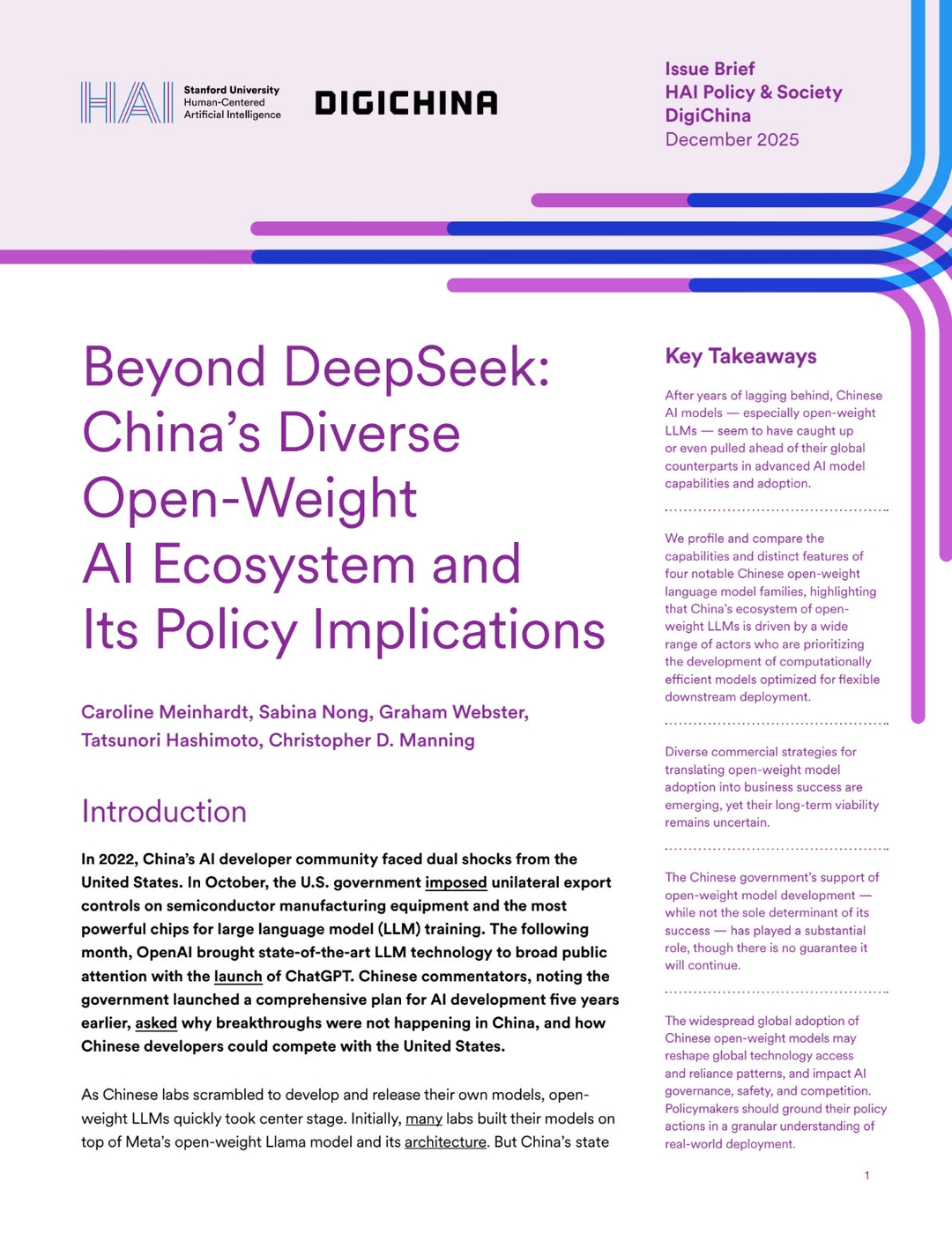
Almost one year after the “DeepSeek moment,” this brief analyzes China’s diverse open-model ecosystem and examines the policy implications of their widespread global diffusion.