The Moment of Reckoning: AI and the Future of U.S. Intelligence
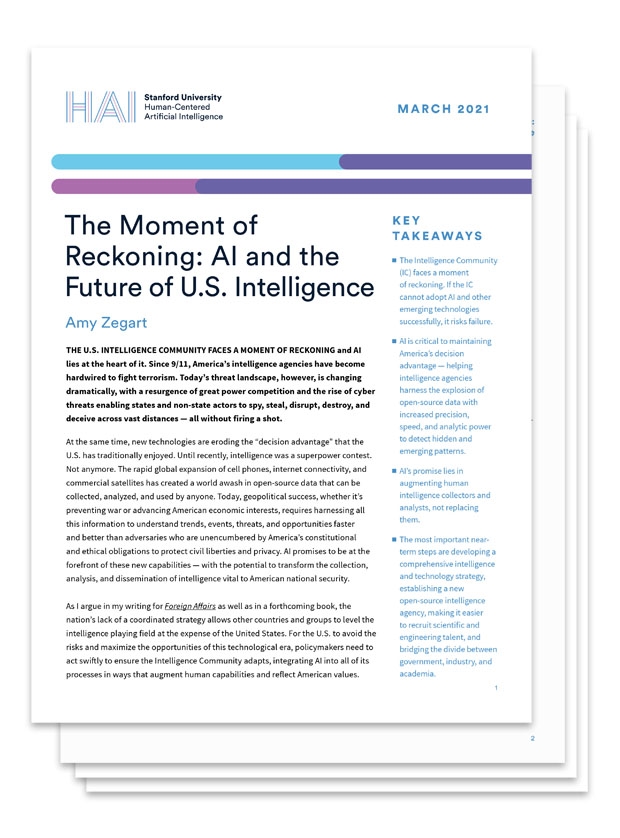
This brief argues that the U.S. Intelligence Community must swiftly integrate AI to preserve decision-making superiority amid evolving great-power and cyber threats
Key Takeaways
The Intelligence Community (IC) faces a moment of reckoning. If the IC cannot adopt AI and other emerging technologies successfully, it risks failure.
AI is critical to maintaining America’s decision advantage — helping intelligence agencies harness the explosion of open-source data with increased precision, speed, and analytic power to detect hidden and emerging patterns.
AI’s promise lies in augmenting human intelligence collectors and analysts, not replacing them.
The most important near- term steps are developing a comprehensive intelligence and technology strategy, establishing a new open-source intelligence agency, making it easier to recruit scientific and engineering talent, and bridging the divide between government, industry, and academia.
Executive Summary
The U.S. Intelligence Community faces a moment of reckoning and AI lies at the heart of it. Since 9/11, America’s intelligence agencies have become hardwired to fight terrorism. Today’s threat landscape, however, is changing dramatically, with a resurgence of great power competition and the rise of cyber threats enabling states and non-state actors to spy, steal, disrupt, destroy, and deceive across vast distances — all without firing a shot.
At the same time, new technologies are eroding the “decision advantage” that the U.S. has traditionally enjoyed. Until recently, intelligence was a superpower contest. Not anymore. The rapid global expansion of cell phones, internet connectivity, and commercial satellites has created a world awash in open-source data that can be collected, analyzed, and used by anyone. Today, geopolitical success, whether it’s preventing war or advancing American economic interests, requires harnessing all this information to understand trends, events, threats, and opportunities faster and better than adversaries who are unencumbered by America’s constitutional and ethical obligations to protect civil liberties and privacy. AI promises to be at the forefront of these new capabilities — with the potential to transform the collection, analysis, and dissemination of intelligence vital to American national security.
As I argue in my writing for Foreign Affairs as well as in a forthcoming book, the nation’s lack of a coordinated strategy allows other countries and groups to level the intelligence playing field at the expense of the United States. For the U.S. to avoid the risks and maximize the opportunities of this technological era, policymakers need to act swiftly to ensure the Intelligence Community adapts, integrating AI into all of its processes in ways that augment human capabilities and reflect American values.
Success will require much more than simply using new algorithms. It will require a reimagining the Intelligence Community (IC) and a new comprehensive strategy transforming the IC’s organization, culture, and workforce to maintain decision advantage in a new technological era. A blue-ribbon intelligence reform commission should be convened to identify ways to build on the country’s distinctive advantages as an open society with democratic values and further leverage our global reach to reinforce the natural edge we hold in collecting intelligence. A new open-source intelligence agency should be created to elevate open-source intelligence as well as provide a test bed for collaboration with industry to prototype new AI intelligence capabilities. Talent, too, will be critical: The IC needs to make it much easier to attract a workforce with the technological know-how to understand other nations’ technological capabilities and better utilize our own. And policymakers need to continue working in earnest to bridge the divide between government and the tech sector to reconcile competing commercial incentives, privacy concerns, and national security interests.
Related Publications
The 2026 US Talent Report: Benchmarking America’s STEM Pipeline Amid the Great Talent Competition
This report assesses America's ability to develop, attract, and retain STEM talent and warns that its advantages over China are narrowing rapidly.
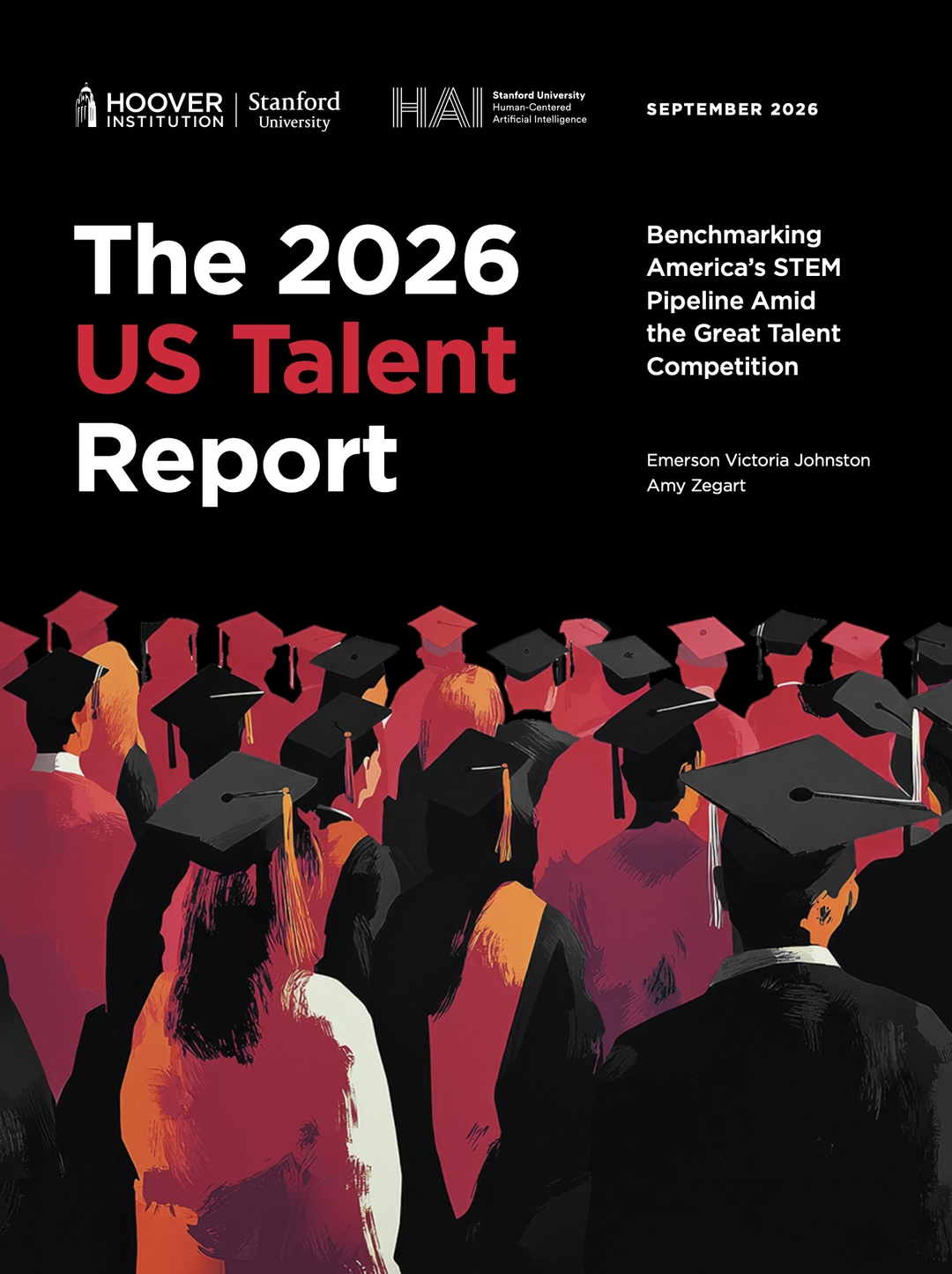
This report assesses America's ability to develop, attract, and retain STEM talent and warns that its advantages over China are narrowing rapidly.
Making Local Law Legible: LLM-Assisted Detection of Discrimination
This brief demonstrates the potential of LLM-assisted review to accelerate legal reform.
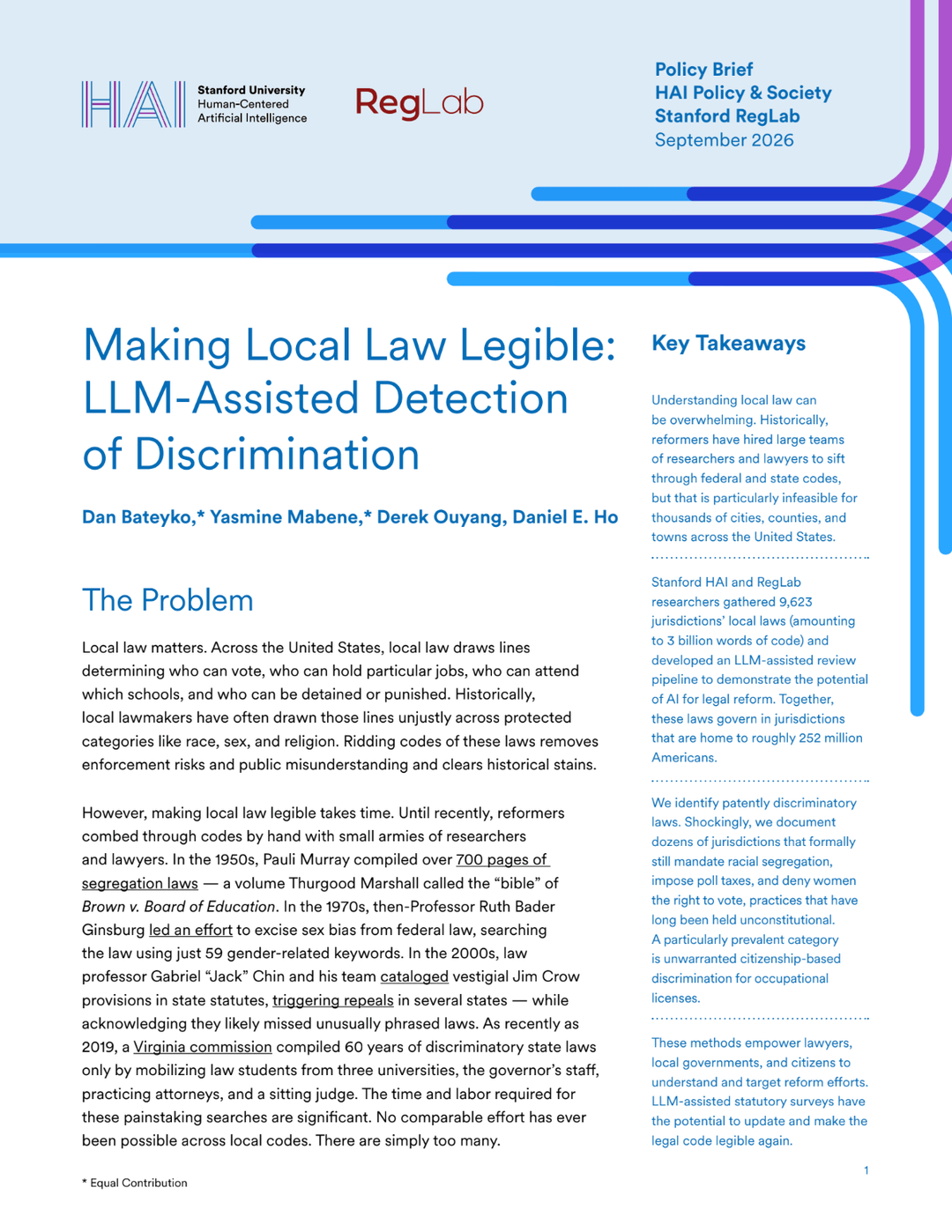
This brief demonstrates the potential of LLM-assisted review to accelerate legal reform.
The Commercial Landscape of AI Sovereignty Offerings
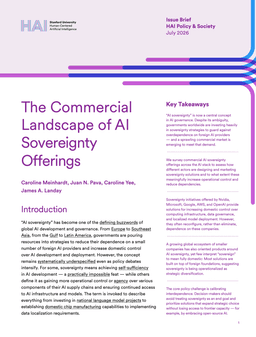
This brief surveys the commercial AI sovereignty market and argues that policymakers should focus on calibrating interdependence rather than pursuing full self-sufficiency.
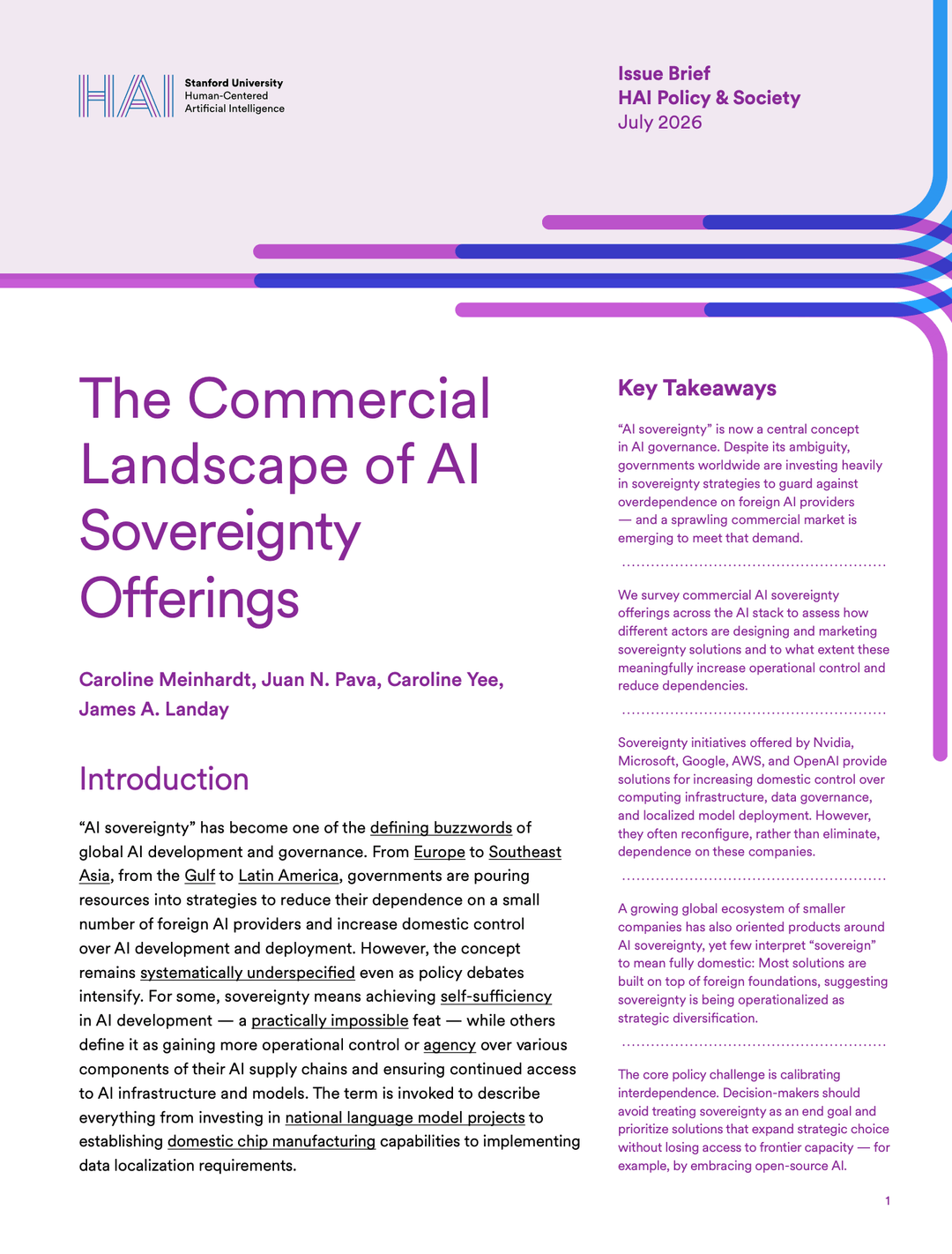
This brief surveys the commercial AI sovereignty market and argues that policymakers should focus on calibrating interdependence rather than pursuing full self-sufficiency.
How Can AI Support Language Digitization and Digital Inclusion?

This white paper analyzes the varying ways AI tools can advance language digitization work, and provides recommendations for responsibly realizing the potential of AI in supporting the digital inclusion of digitally disadvantaged languages.
This white paper analyzes the varying ways AI tools can advance language digitization work, and provides recommendations for responsibly realizing the potential of AI in supporting the digital inclusion of digitally disadvantaged languages.