
Building an AI pipeline to comb through millions of local statutes, researchers at Stanford Law School turn a spotlight on unsavory laws still on the books in communities across the country.

Building an AI pipeline to comb through millions of local statutes, researchers at Stanford Law School turn a spotlight on unsavory laws still on the books in communities across the country.

A new Stanford-led study finds that X’s “For You” algorithm mistakes outrage for interest – and fills your feed accordingly.

A new Stanford-led study finds that X’s “For You” algorithm mistakes outrage for interest – and fills your feed accordingly.
Companies That Buy and Sell Your Data Are Not Following California’s Strict Privacy Laws

A new Stanford study shows data brokers are making it difficult for consumers to submit privacy requests and failing to report how many privacy requests they receive.

A new Stanford study shows data brokers are making it difficult for consumers to submit privacy requests and failing to report how many privacy requests they receive.
New Stanford Grants Tackle AI's Impact on Global Security and Geopolitics
Stanford HAI and the Hoover Institution’s Technology Policy Accelerator back projects examining AI's role in detecting nuclear proliferation, U.S.-China competition, and political influence.
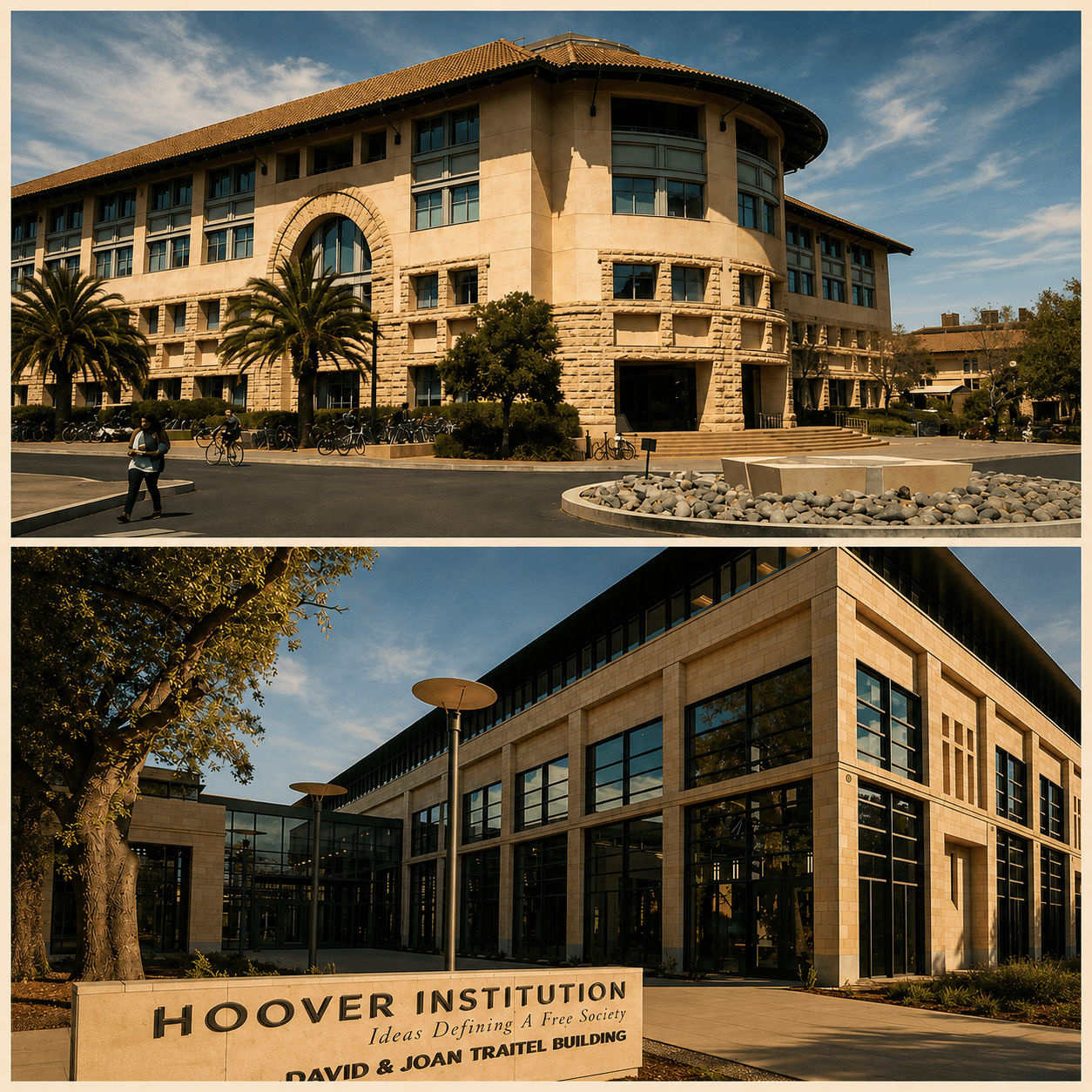
Stanford HAI and the Hoover Institution’s Technology Policy Accelerator back projects examining AI's role in detecting nuclear proliferation, U.S.-China competition, and political influence.
AI Companions May Worsen Loneliness for Vulnerable Users, Stanford Study Finds

Stanford research finds that users with limited social networks who seek emotional support from AI companions experience lower well-being.

Stanford research finds that users with limited social networks who seek emotional support from AI companions experience lower well-being.
Open-Weight Models Aren’t Enough. We Need Truly Open Source AI Models for Science and Society.

As Chinese AI closes the capability gap, Washington and Silicon Valley debate open-weight models. Stanford HAI's James Landay says it's the right conversation framed the wrong way.

As Chinese AI closes the capability gap, Washington and Silicon Valley debate open-weight models. Stanford HAI's James Landay says it's the right conversation framed the wrong way.

As artificial intelligence moves beyond language into the physical world through "world models," Stanford researchers warn that policymakers face an even steeper governance challenge than with large language models—and the window to get ahead of the technology is closing fast.

As artificial intelligence moves beyond language into the physical world through "world models," Stanford researchers warn that policymakers face an even steeper governance challenge than with large language models—and the window to get ahead of the technology is closing fast.
The Complexities of Governing Mental Health AI

Policymakers, academics, healthcare providers, AI developers, and patient advocates convened by Stanford HAI identify critical gaps in how we regulate AI tools used for therapy and emotional support.

Policymakers, academics, healthcare providers, AI developers, and patient advocates convened by Stanford HAI identify critical gaps in how we regulate AI tools used for therapy and emotional support.
Stanford researchers scanned 500 million words of state law to reveal the stunning growth of reporting requirements, and are now giving governments a tool to clean them up.
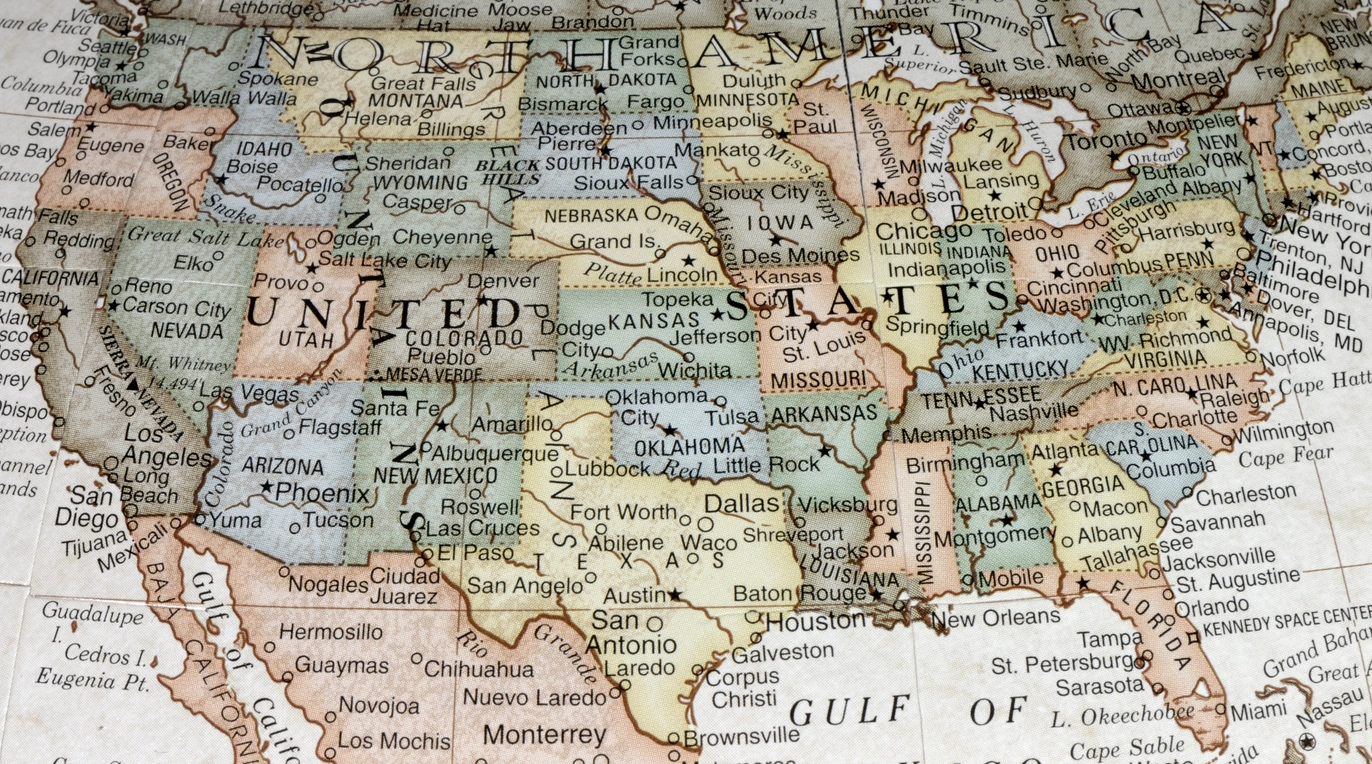
Stanford researchers scanned 500 million words of state law to reveal the stunning growth of reporting requirements, and are now giving governments a tool to clean them up.

Increasing reliance on language models for legal tasks have led to calls for more information about the likelihood and severity of potential errors. Realizing useful and robust transparency requires an institutional perspective, say the editors of a new special section in PNAS.

Increasing reliance on language models for legal tasks have led to calls for more information about the likelihood and severity of potential errors. Realizing useful and robust transparency requires an institutional perspective, say the editors of a new special section in PNAS.
The AI Sovereignty Paradox: Should Countries Buy, Build, or Lease to Maintain Strategic Control of Their AI?

As nations invest billions to reduce reliance on foreign AI providers, a new Stanford HAI report surveys commercial sovereignty solutions and assesses the extent to which they meaningfully reduce dependencies on U.S. tech giants.

As nations invest billions to reduce reliance on foreign AI providers, a new Stanford HAI report surveys commercial sovereignty solutions and assesses the extent to which they meaningfully reduce dependencies on U.S. tech giants.

With increased use of chatbots in mental health contexts, AI developers now rely on human experts to evaluate AI’s responses for “safety” – but experts rarely agree on what’s safe.

With increased use of chatbots in mental health contexts, AI developers now rely on human experts to evaluate AI’s responses for “safety” – but experts rarely agree on what’s safe.

Biomni can analyze mountains of medical data, spot patterns humans might miss, and even design experiments—helping researchers make discoveries faster in the race to cure disease.

Biomni can analyze mountains of medical data, spot patterns humans might miss, and even design experiments—helping researchers make discoveries faster in the race to cure disease.


New AI tools generate hypotheses, design experiments, and find patterns in data—transforming how scientists make discoveries across every field.

New AI tools generate hypotheses, design experiments, and find patterns in data—transforming how scientists make discoveries across every field.

Stanford students across disciplines are teaming up to tackle society’s pressing questions in the age of AI.

Stanford students across disciplines are teaming up to tackle society’s pressing questions in the age of AI.