
The new 2.7B parameter language model trained on biomedical literature delivers an improved state of the art for medical question answering.

The new 2.7B parameter language model trained on biomedical literature delivers an improved state of the art for medical question answering.

This new class of models may lead to more affordable, easily adaptable health AI.

This new class of models may lead to more affordable, easily adaptable health AI.

Listen in to conversations on the metaverse, foundation models, trustworthy AI, and Stanford’s AI legacy.

Listen in to conversations on the metaverse, foundation models, trustworthy AI, and Stanford’s AI legacy.

Dive into the state of the AI industry, our new understandings of the brain, and how job posting words predict salaries.

Dive into the state of the AI industry, our new understandings of the brain, and how job posting words predict salaries.

HAI faculty share their predictions for the coming year.


Generative models took center stage this year, while policy inched forward and large models got an evaluation tool.

Generative models took center stage this year, while policy inched forward and large models got an evaluation tool.

A Stanford professor looks toward dendrites for a completely novel way of thinking about computer chips.

A Stanford professor looks toward dendrites for a completely novel way of thinking about computer chips.

The San Francisco Police Department requests to use robots with deadly force, new complaints filed alleging algorithmic discrimination, and more.

The San Francisco Police Department requests to use robots with deadly force, new complaints filed alleging algorithmic discrimination, and more.

Stanford researchers create a tool to put algorithmic auditing in the hands of impacted communities.

Stanford researchers create a tool to put algorithmic auditing in the hands of impacted communities.

Stanford AIMI scholars found a way to generate synthetic chest X-rays by fine-tuning the open-source Stable Diffusion foundation model.
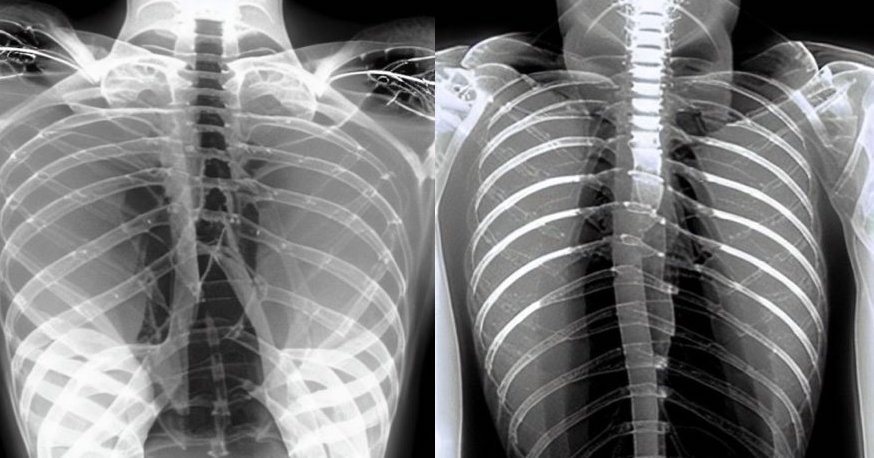
Stanford AIMI scholars found a way to generate synthetic chest X-rays by fine-tuning the open-source Stable Diffusion foundation model.

At HAI’s fall conference, speakers define what human-centered design looks like, challenge our current metrics of success, and call for “productive discomfort.”
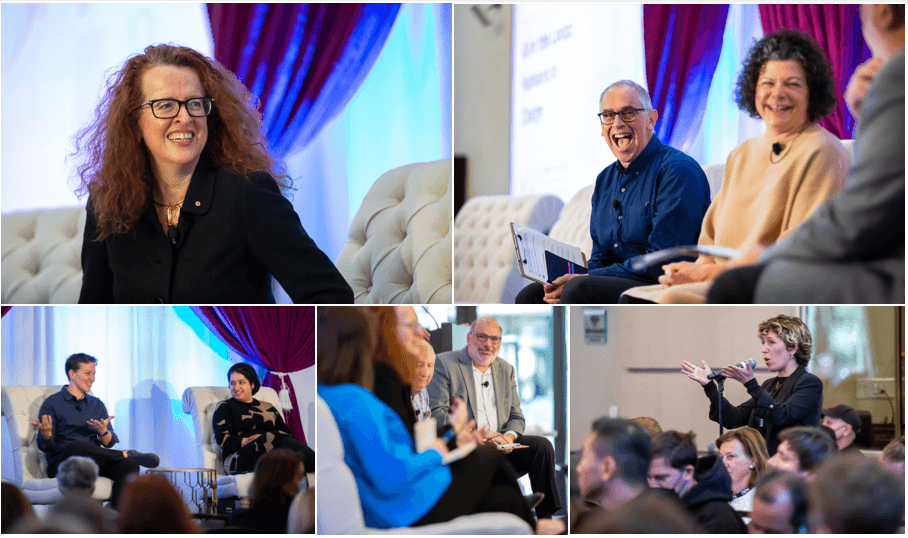
At HAI’s fall conference, speakers define what human-centered design looks like, challenge our current metrics of success, and call for “productive discomfort.”
Scholars benchmark 30 prominent language models across a wide range of scenarios and for a broad range of metrics to elucidate their capabilities and risks.
Scholars benchmark 30 prominent language models across a wide range of scenarios and for a broad range of metrics to elucidate their capabilities and risks.

Stanford researchers explore how to improve AI-generated descriptions of online images for blind and low-vision users.

Stanford researchers explore how to improve AI-generated descriptions of online images for blind and low-vision users.

The U.S. continues to ramp up export controls on chips (and maybe soon AI), the first lawsuit is filed for software piracy, and more.

The U.S. continues to ramp up export controls on chips (and maybe soon AI), the first lawsuit is filed for software piracy, and more.
Is This a Deer I See? Socially Aware AI Adapts by Asking Questions of Humans

When confronted with new or unfamiliar surroundings, a novel AI agent effectively trains itself through discussions with people.

When confronted with new or unfamiliar surroundings, a novel AI agent effectively trains itself through discussions with people.
Police Facebook Posts Disproportionately Highlight Crimes Involving Black Suspects, Study Finds

New research funded in part by a HAI grant reveals that Facebook users are exposed to crime posts that overrepresent Black suspects by 25 percent relative to arrest rates.

New research funded in part by a HAI grant reveals that Facebook users are exposed to crime posts that overrepresent Black suspects by 25 percent relative to arrest rates.

Here are the workshops, competitions, and posters from Stanford researchers at this year’s machine learning and computational neuroscience conference.
Here are the workshops, competitions, and posters from Stanford researchers at this year’s machine learning and computational neuroscience conference.