
This year’s report shows a maturing industry, significant private investment, and rising competition between China and the U.S.
This year’s report shows a maturing industry, significant private investment, and rising competition between China and the U.S.
Stanford HAI’s 2021 AI Index reveals stalled progress in diversifying AI and a scarcity of the data needed to fix it.
Stanford HAI’s 2021 AI Index reveals stalled progress in diversifying AI and a scarcity of the data needed to fix it.
What happened in 2020 in AI education, hiring, policy, investment, and other sectors? Here are the most important details from HAI’s new AI Index
What happened in 2020 in AI education, hiring, policy, investment, and other sectors? Here are the most important details from HAI’s new AI Index
A Better Measuring Stick: Algorithmic Approach to Pain Diagnosis Could Eliminate Racial Bias

Traditional approaches to pain management don’t treat all patients the same. AI could level the playing field.
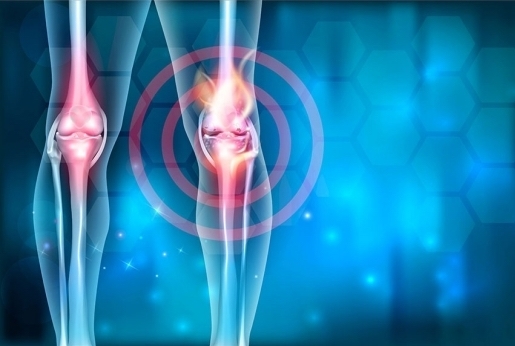
Traditional approaches to pain management don’t treat all patients the same. AI could level the playing field.

Stanford launches policy practicum to chart a course toward the democratization of AI.

Stanford launches policy practicum to chart a course toward the democratization of AI.

At HAI’s upcoming conference, educators, health care experts, and artists explore their AI-enabled future.

At HAI’s upcoming conference, educators, health care experts, and artists explore their AI-enabled future.

During her HAI Fellowship, Avila plans to prototype inclusive and gender-responsive AI systems.

During her HAI Fellowship, Avila plans to prototype inclusive and gender-responsive AI systems.

Widely used virus tracking data undercounts older people and people of color. Scholars propose a solution to this demographic bias.

Widely used virus tracking data undercounts older people and people of color. Scholars propose a solution to this demographic bias.
How Large Language Models Will Transform Science, Society, and AI

Scholars in computer science, linguistics, and philosophy explore the pains and promises of GPT-3.
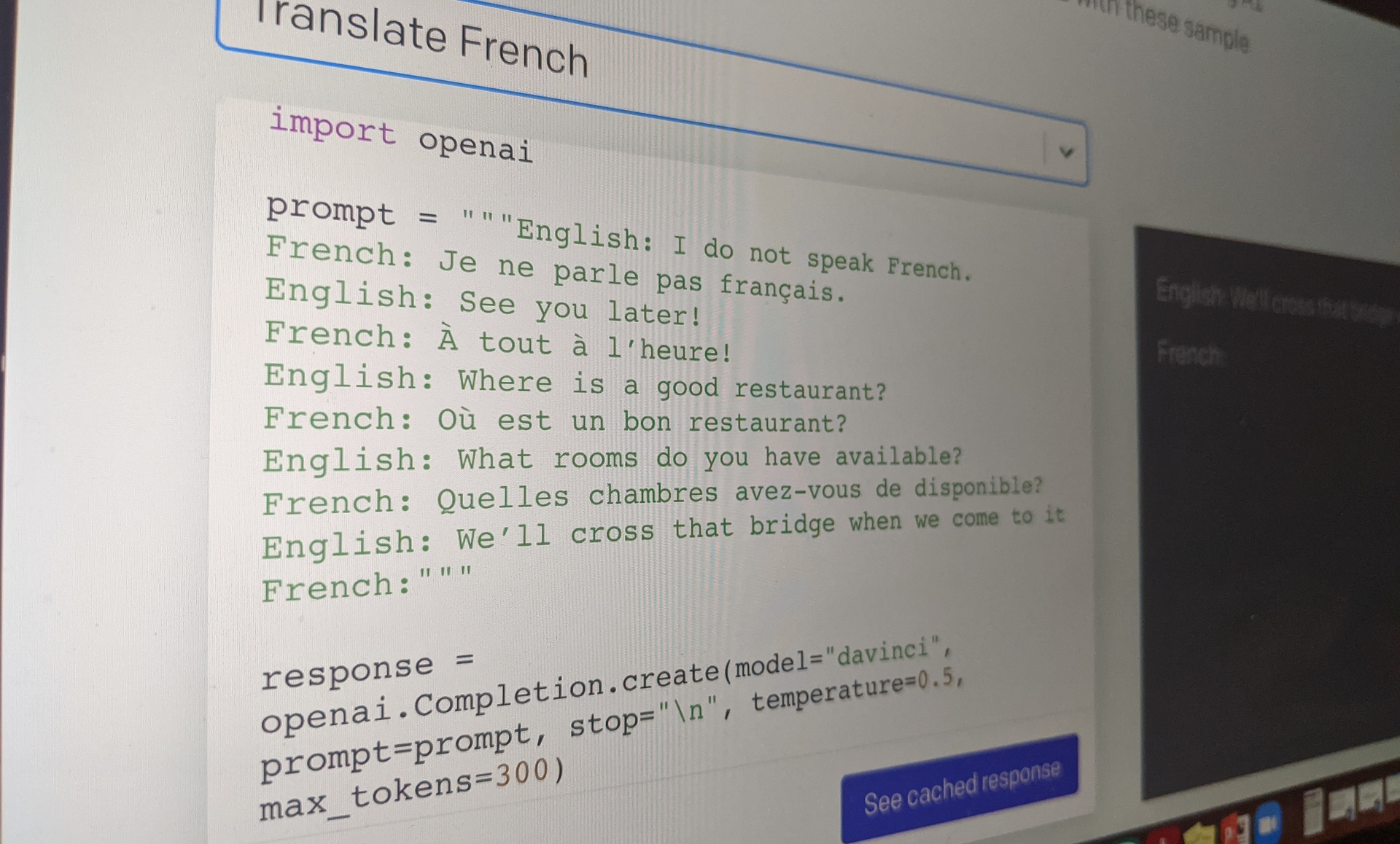
Scholars in computer science, linguistics, and philosophy explore the pains and promises of GPT-3.

Sociologist and former journalist Mutale Nkonde warns that the AI behind much of today’s social media is inherently biased — but it’s not too late to do something about it.

Sociologist and former journalist Mutale Nkonde warns that the AI behind much of today’s social media is inherently biased — but it’s not too late to do something about it.

In a new book, scholars across multiple disciplines reflect on how digital technologies intersect with democratic institutions, and offer a broad agenda for future research.

In a new book, scholars across multiple disciplines reflect on how digital technologies intersect with democratic institutions, and offer a broad agenda for future research.

Stanford scholars propose a fair way to quantify how much individual datasets contribute to AI model performance and companies’ bottom lines.

Stanford scholars propose a fair way to quantify how much individual datasets contribute to AI model performance and companies’ bottom lines.
The new program will help company leaders understand how to leverage their data and gain a competitive advantage.
The new program will help company leaders understand how to leverage their data and gain a competitive advantage.

A Stanford researcher uses machine learning to identify mood swings through social media.

A Stanford researcher uses machine learning to identify mood swings through social media.

Karen Liu, a specialist in computer animation, expounds upon her rapidly evolving specialty, known as physics-based simulation, and how it is helping robots become more physically aware of the world around them.

Karen Liu, a specialist in computer animation, expounds upon her rapidly evolving specialty, known as physics-based simulation, and how it is helping robots become more physically aware of the world around them.

A new algorithm improves upon current life-expectancy prediction tools and could lead to better-tailored patient care.
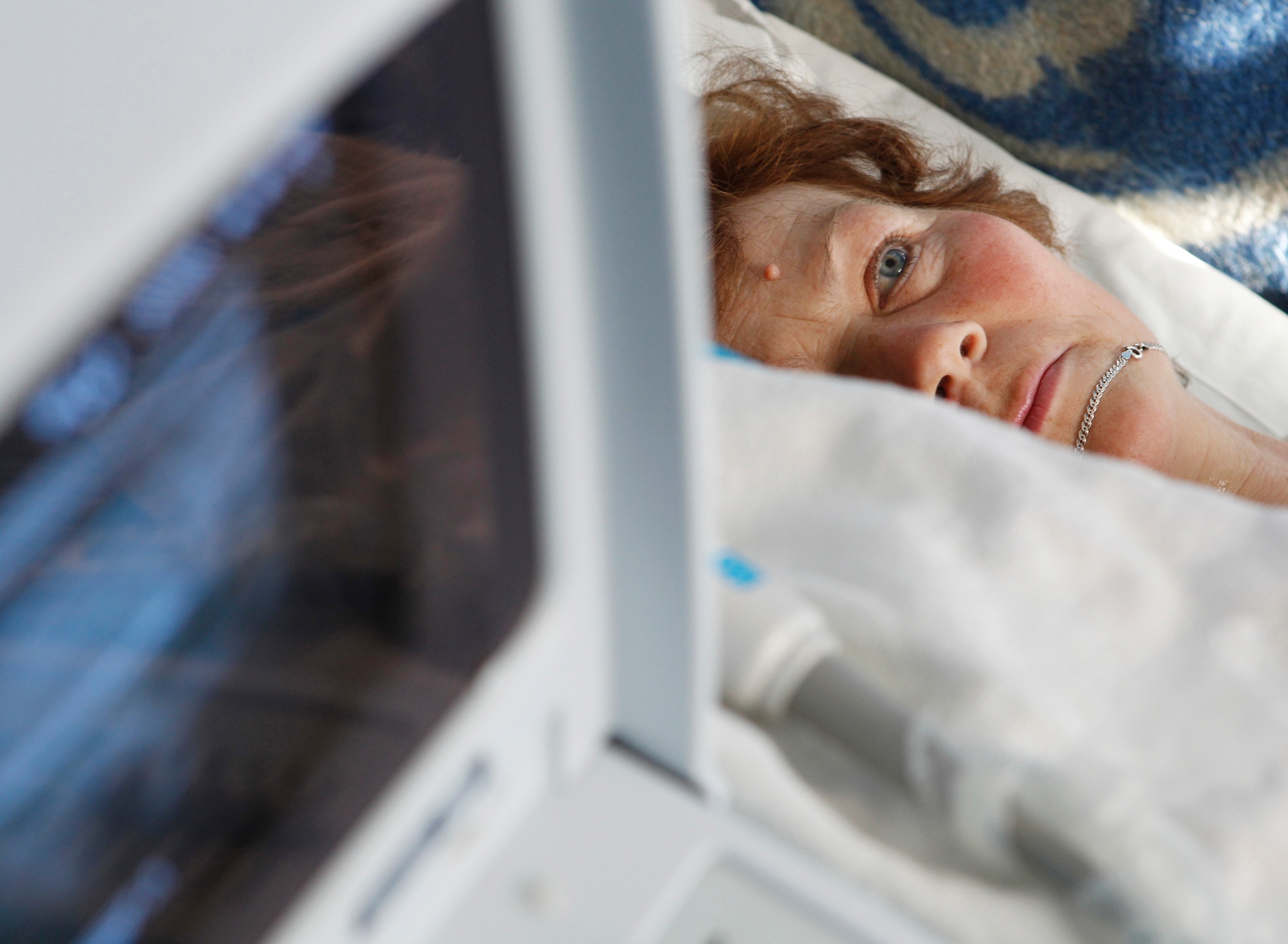
A new algorithm improves upon current life-expectancy prediction tools and could lead to better-tailored patient care.

Can natural language processing improve access to care and boost therapists’ training?

Can natural language processing improve access to care and boost therapists’ training?
Stanford Scholars Design a System that Runs AI on Battery-Powered Smart Devices

The researchers combine processors and memory on multiple hybrid chips to create the illusion of one mega-AI chip.

The researchers combine processors and memory on multiple hybrid chips to create the illusion of one mega-AI chip.