
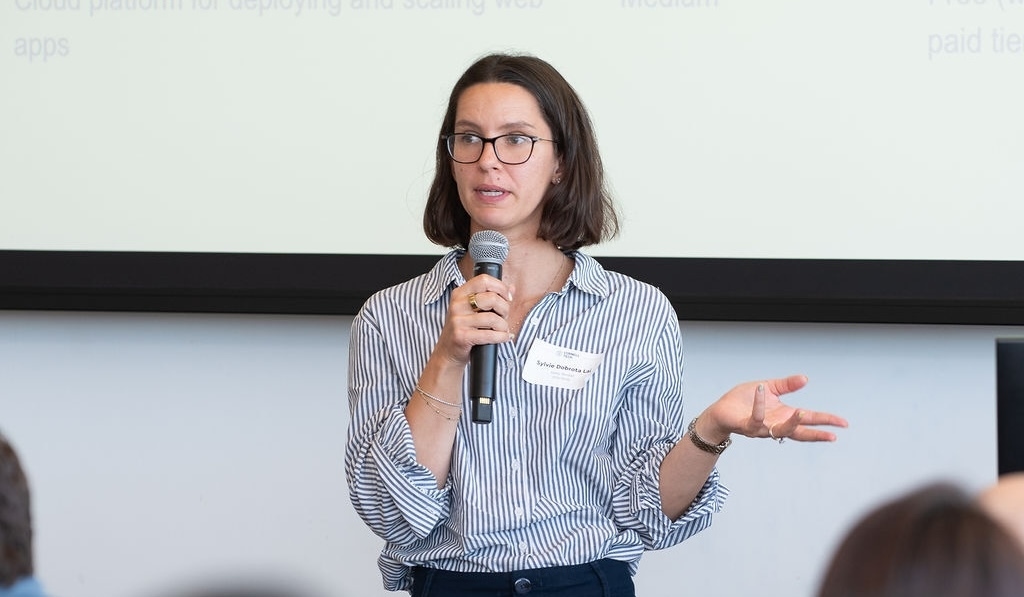

The Stanford HAI co-founder is recognized for breakthroughs that propelled computer vision and deep learning, and for championing human-centered AI and industry innovation.

The Stanford HAI co-founder is recognized for breakthroughs that propelled computer vision and deep learning, and for championing human-centered AI and industry innovation.
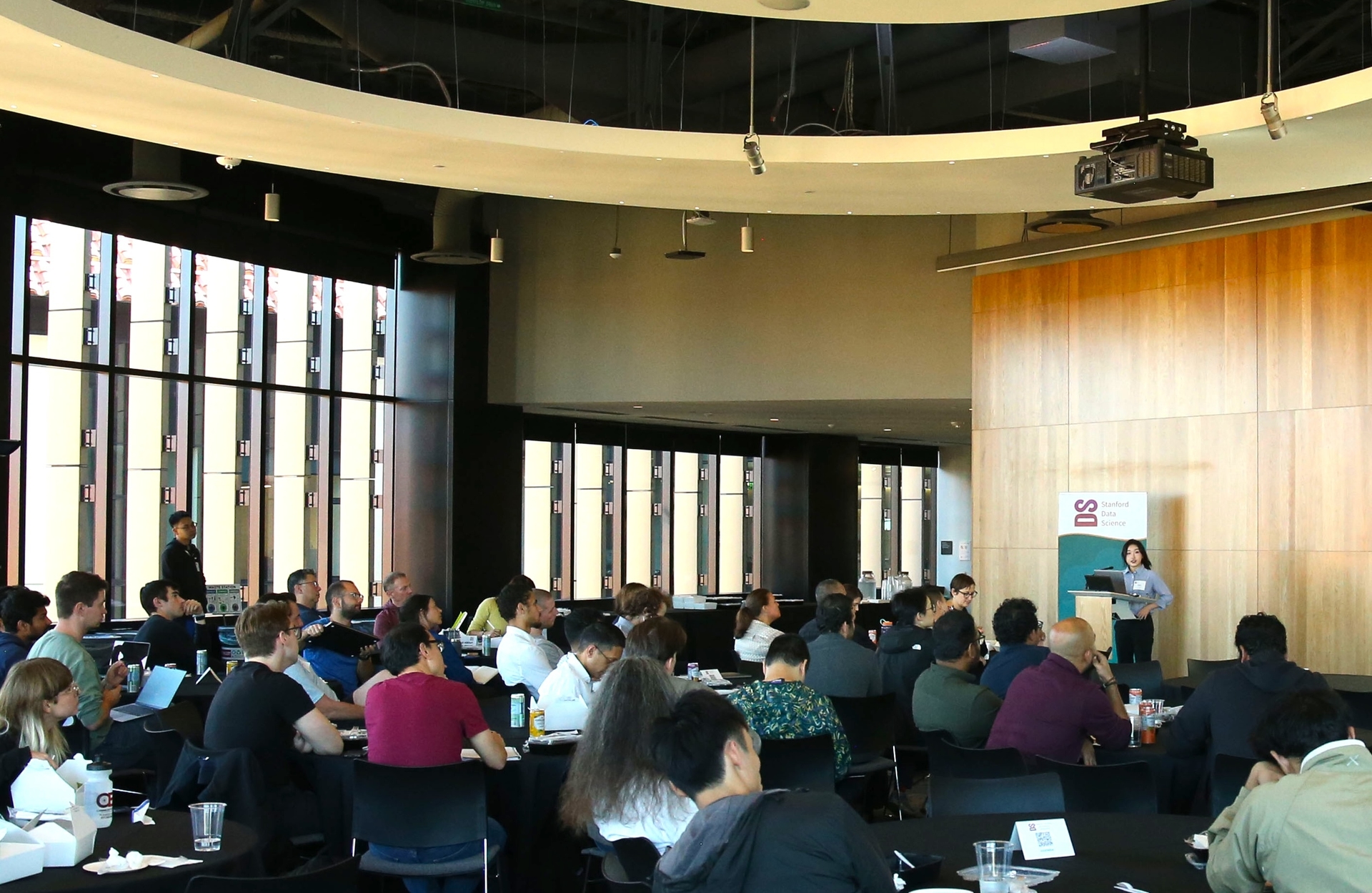

With corporate AI labs turning inward, academia must carry forward the mantle of open science.

With corporate AI labs turning inward, academia must carry forward the mantle of open science.

Stanford researchers show that although top language models cannot yet accurately diagnose children’s speech disorders, fine-tuning and other approaches could well change the game.

Stanford researchers show that although top language models cannot yet accurately diagnose children’s speech disorders, fine-tuning and other approaches could well change the game.
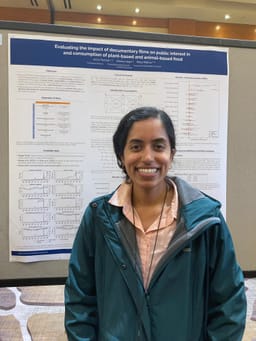
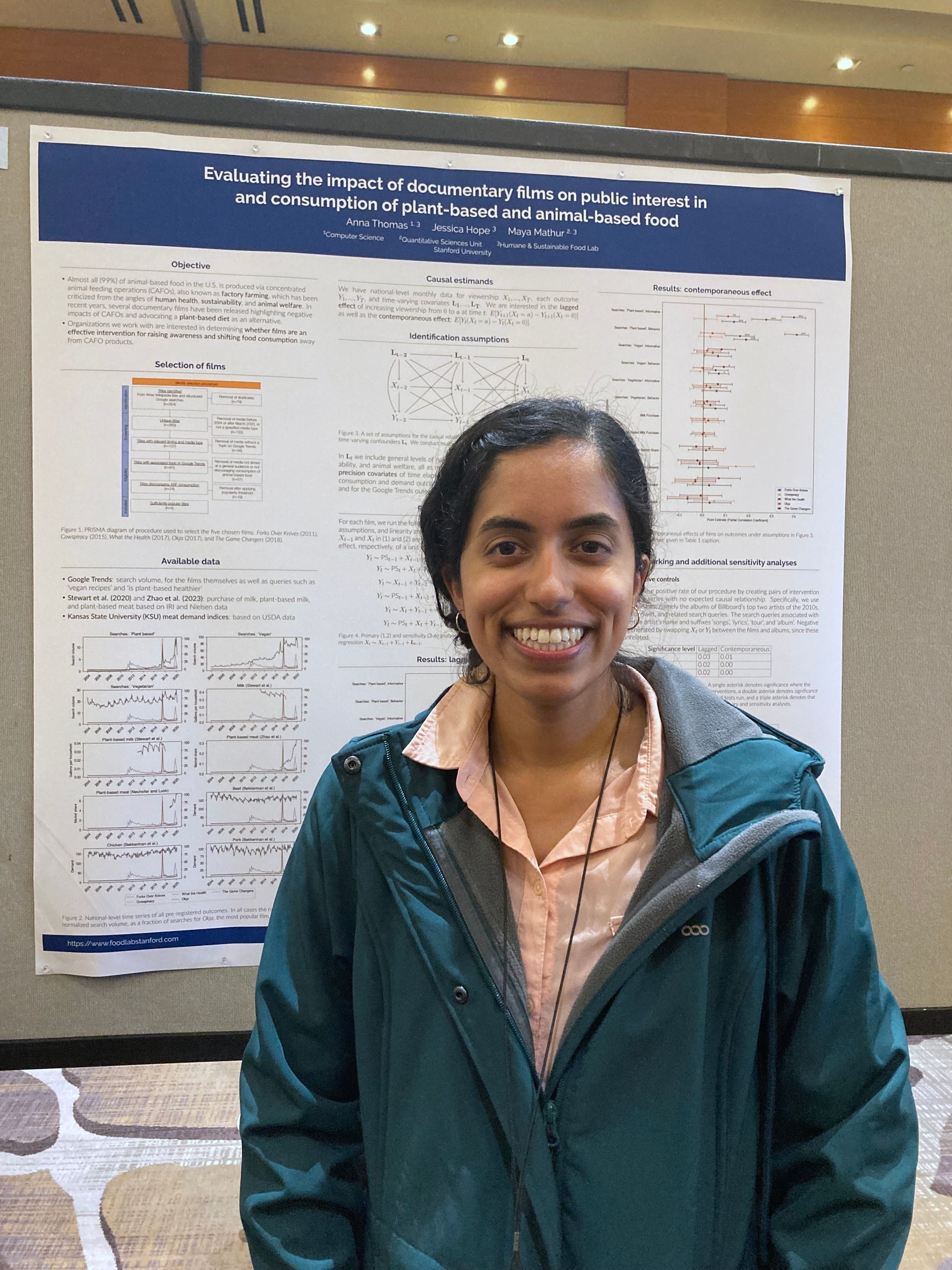
How To Build a Safe, Secure Medical AI Platform

Teams across Stanford Health Care’s Technology organization came together to build “ChatEHR”, a privacy preserving and practical GenAI tool that could serve as a model for other health systems

Teams across Stanford Health Care’s Technology organization came together to build “ChatEHR”, a privacy preserving and practical GenAI tool that could serve as a model for other health systems

From intake forms to ambient scribes, artificial intelligence is transforming your medical visits. A Stanford expert explains the questions every patient should ask.

From intake forms to ambient scribes, artificial intelligence is transforming your medical visits. A Stanford expert explains the questions every patient should ask.

A Stanford study reveals that leading AI companies are pulling user conversations for training, highlighting privacy risks and a need for clearer policies.

A Stanford study reveals that leading AI companies are pulling user conversations for training, highlighting privacy risks and a need for clearer policies.
Saw, Sword, or Shovel: AI Spots Functional Similarities Between Disparate Objects

With a new computer vision model that recognizes the real-world utility of objects in images, researchers at Stanford look to push the boundaries of robotics and AI.

With a new computer vision model that recognizes the real-world utility of objects in images, researchers at Stanford look to push the boundaries of robotics and AI.
David Bruns-Smith’s Journey Through High-Speed Code, Data Science, Causal Inference, and Economic Insight
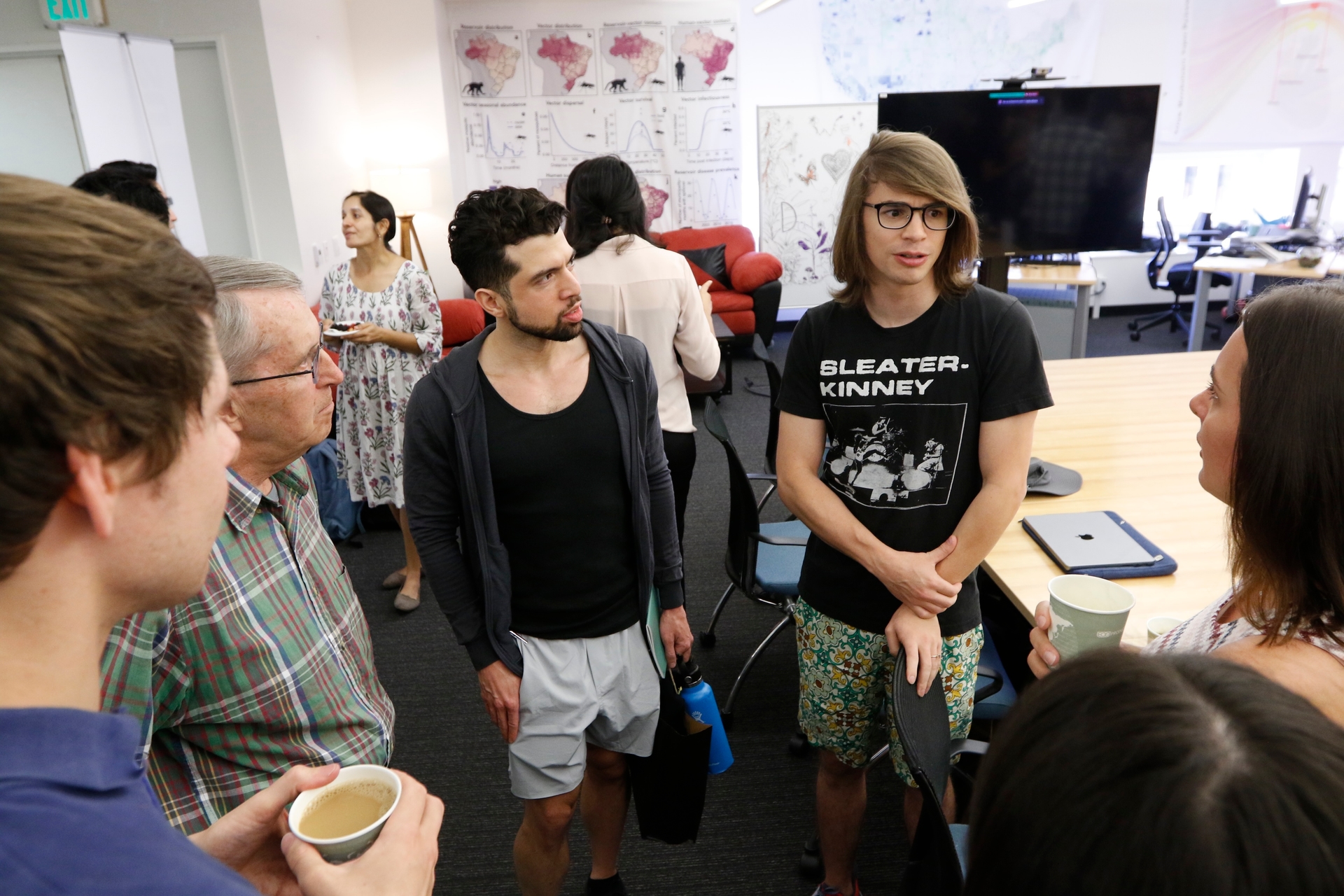
Generative AI Is Helping Stanford Researchers Better Understand Brain Diseases

Synthetic brain MRI technology is supercharging computational neuroscience with massive data.

Synthetic brain MRI technology is supercharging computational neuroscience with massive data.

Stanford professors Melissa Valentine and Michael Bernstein unveil a new model for work organizations, highlighting a dynamic approach to assembling global teams of experts for on-demand projects.

Stanford professors Melissa Valentine and Michael Bernstein unveil a new model for work organizations, highlighting a dynamic approach to assembling global teams of experts for on-demand projects.

By having AI study a user’s context offline, researchers dramatically reduce the memory and cost required to make AI contextually aware.

By having AI study a user’s context offline, researchers dramatically reduce the memory and cost required to make AI contextually aware.

From immersive learning and personalized tutors to lesson plans and grading, AI is everywhere in K-12 education.

From immersive learning and personalized tutors to lesson plans and grading, AI is everywhere in K-12 education.

With a first-of-its-kind competition for roboticists everywhere, researchers at Stanford are hoping to push domestic robotics into a new age of autonomy and capability.

With a first-of-its-kind competition for roboticists everywhere, researchers at Stanford are hoping to push domestic robotics into a new age of autonomy and capability.