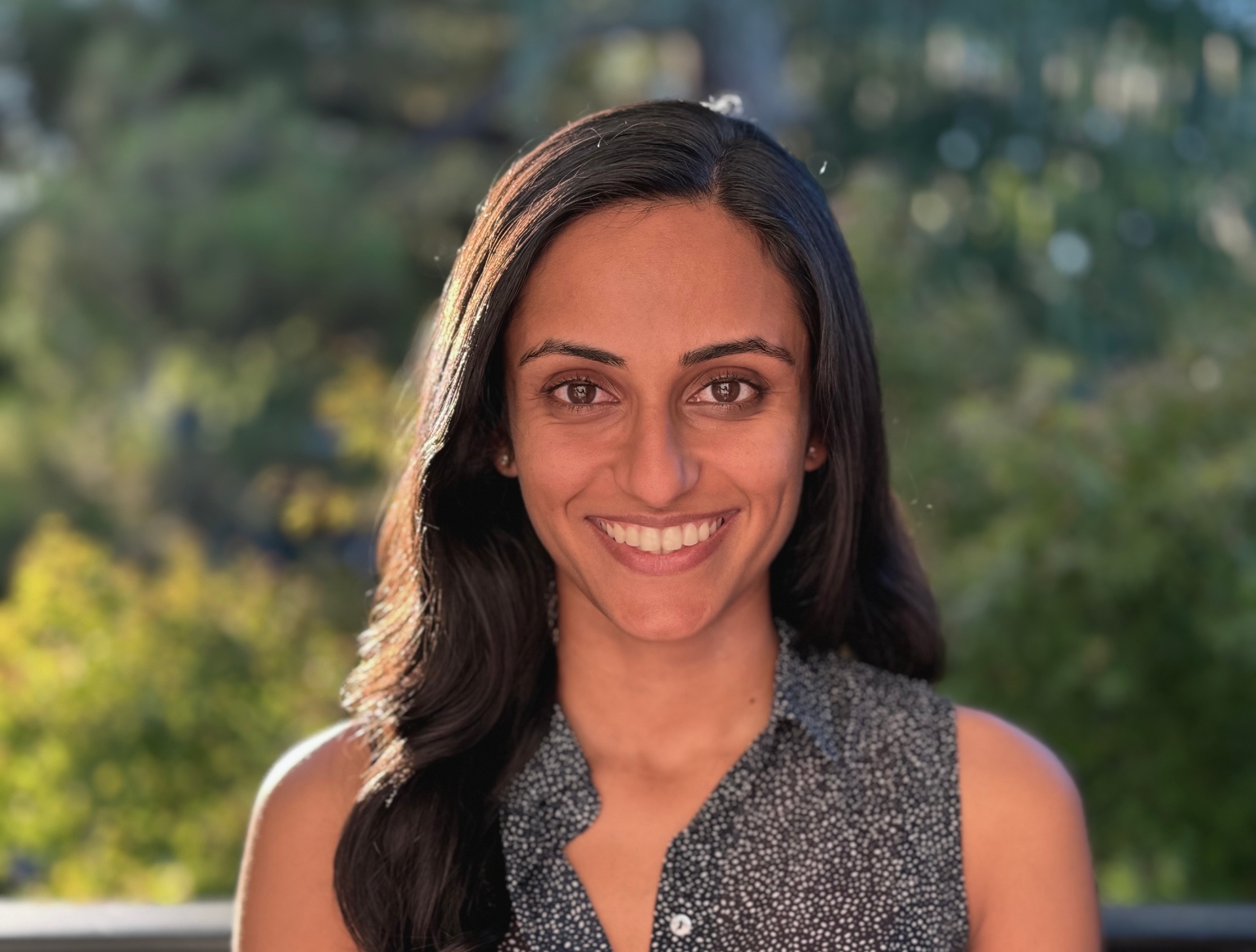
PsychAdapter lets researchers dial in on personality traits, age, and mental health characteristics to generate text that sounds like real individuals, opening the door to training simulations and personalized content.
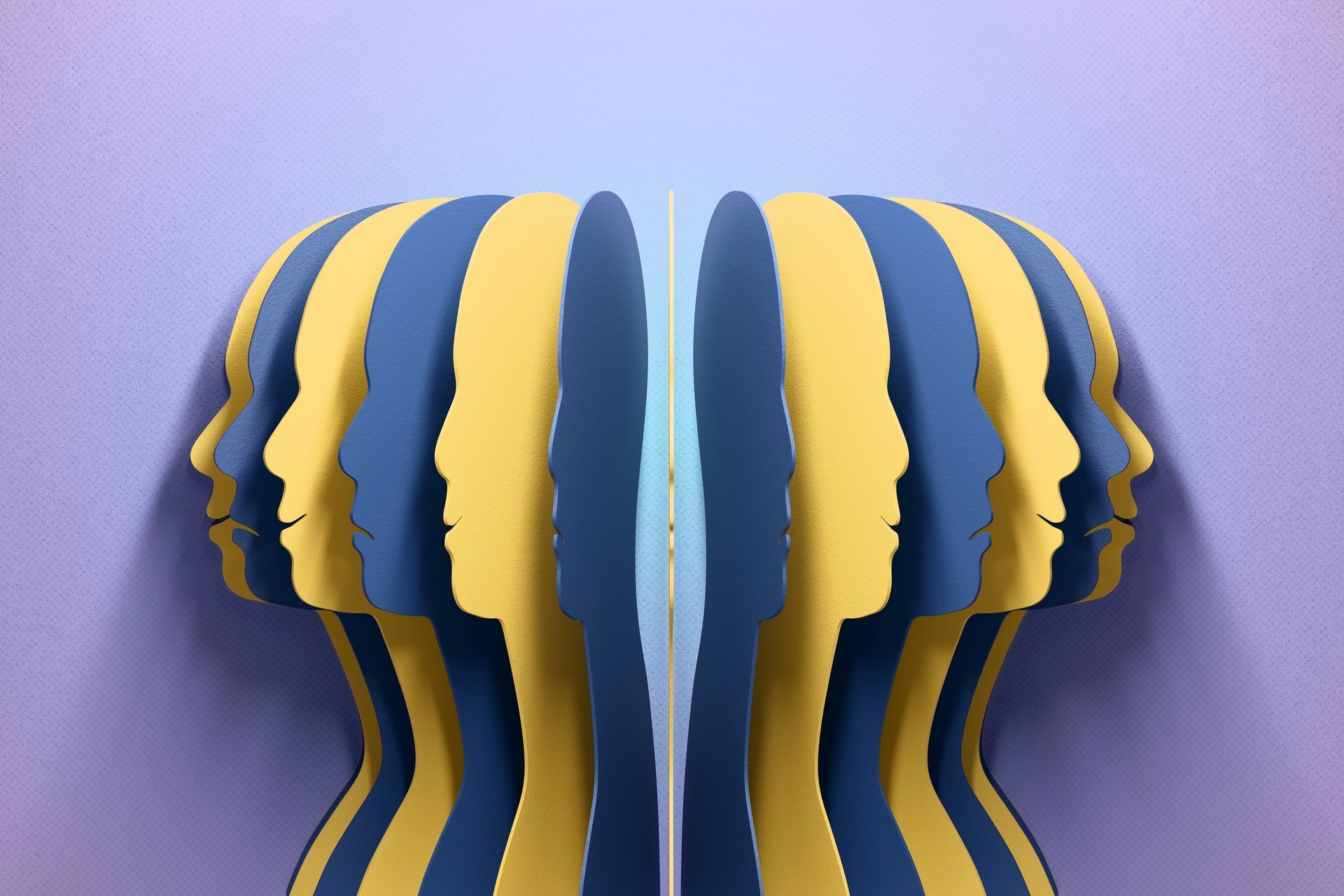
PsychAdapter lets researchers dial in on personality traits, age, and mental health characteristics to generate text that sounds like real individuals, opening the door to training simulations and personalized content.
Reading Today’s Headlines Through AI: A Real-Time Audit of Six Commercial Chatbots

In a new study, scholars measured how accurately popular AI chatbots answered questions about the emerging news and found substantial regional disparity, dependence on distinct information ecosystems, and acute fragility under imperfect prompts.

In a new study, scholars measured how accurately popular AI chatbots answered questions about the emerging news and found substantial regional disparity, dependence on distinct information ecosystems, and acute fragility under imperfect prompts.
What Does AI Mean for Reproducible Science?
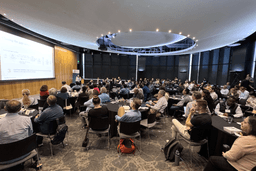
Researchers gathered for the annual CORES Symposium to discuss how AI is shaping the open science movement.
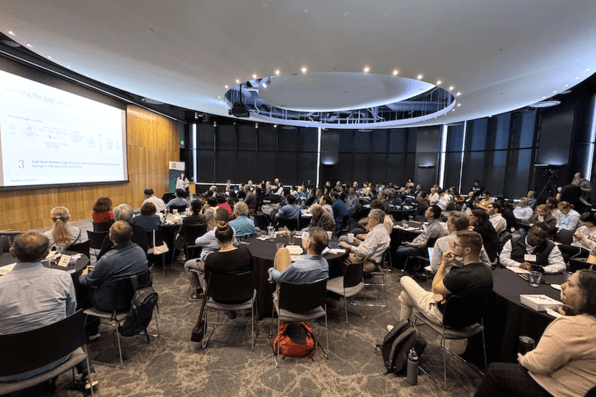
Researchers gathered for the annual CORES Symposium to discuss how AI is shaping the open science movement.

Two models working together perform worse than one alone, exposing a critical gap in artificial intelligence capabilities.

Two models working together perform worse than one alone, exposing a critical gap in artificial intelligence capabilities.

From designing new antibodies to simulating 1,000 years of climate in a day, AI is transforming what's possible—but humans remain the ones deciding what matters.
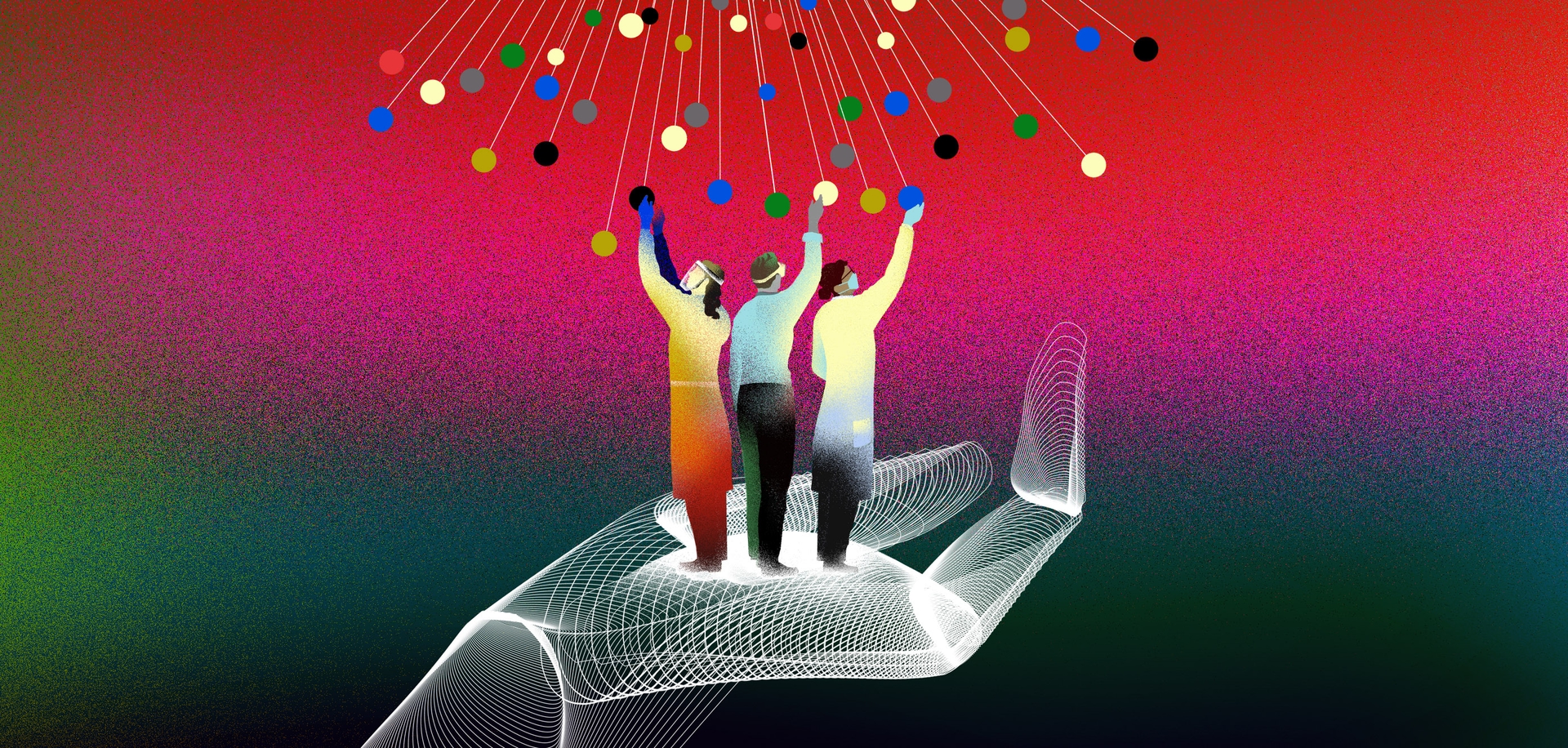
From designing new antibodies to simulating 1,000 years of climate in a day, AI is transforming what's possible—but humans remain the ones deciding what matters.
AI Hiring Tools Can Yield Racial Bias and Systemic Rejection
The first large-scale study of hiring algorithms in the wild finds concerning patterns to how systems reject candidates.
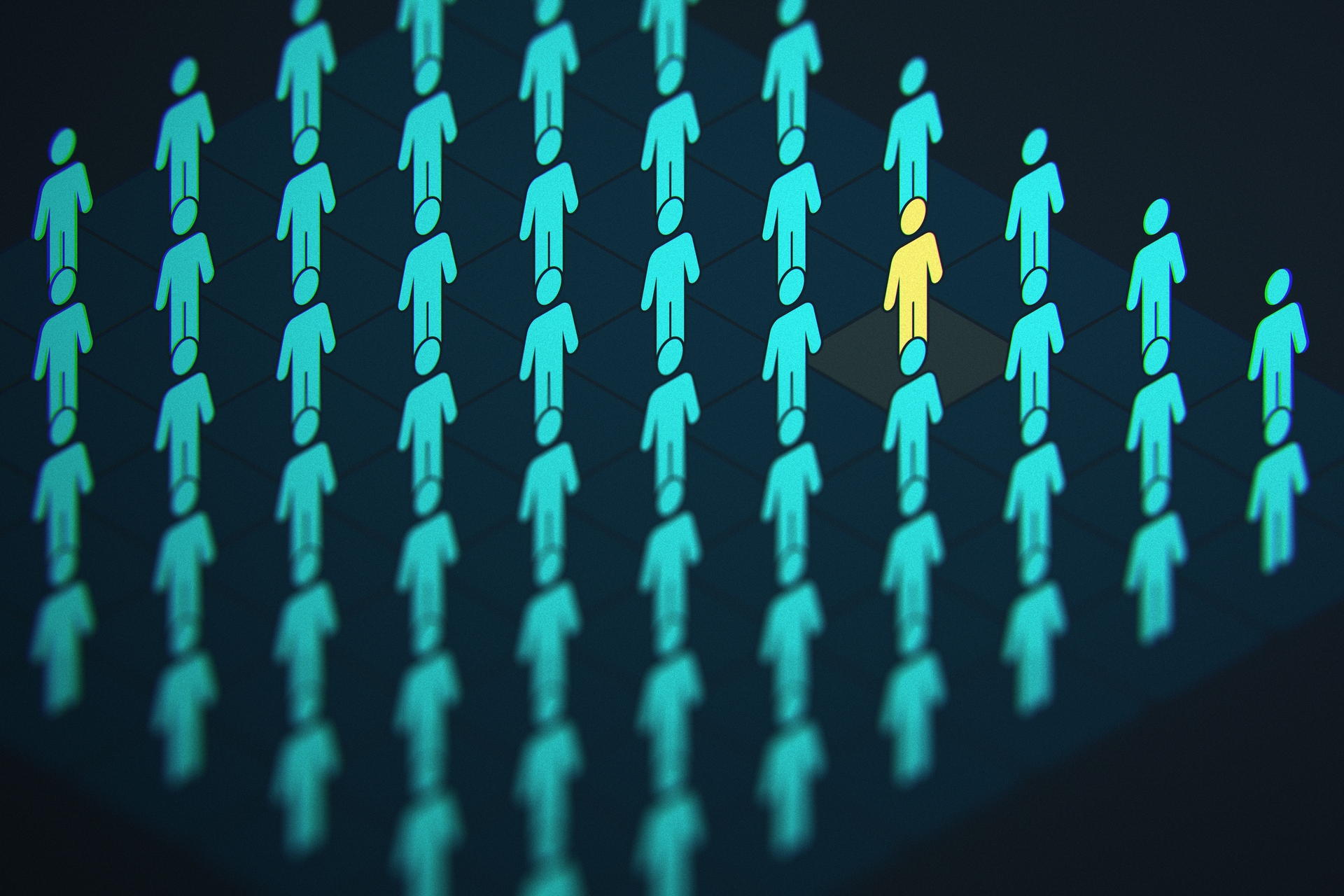
The first large-scale study of hiring algorithms in the wild finds concerning patterns to how systems reject candidates.

Leveraging statistical concepts from measurement science and education, AI researchers have greatly reduced the computational demand of predicting how the largest of large language models will scale up in the future. It could save millions of dollars in training costs.

Leveraging statistical concepts from measurement science and education, AI researchers have greatly reduced the computational demand of predicting how the largest of large language models will scale up in the future. It could save millions of dollars in training costs.
From Benchmarks to Real-World Impact: Causal Science Conference Explores Modern Challenges in AI Evaluation

On April 24, 2026, the Stanford Causal Science Conference: Frontiers in AI Evaluation brought together leading researchers from academia and industry to examine how causal reasoning, evaluation, and measurement are reshaping the future of AI systems.
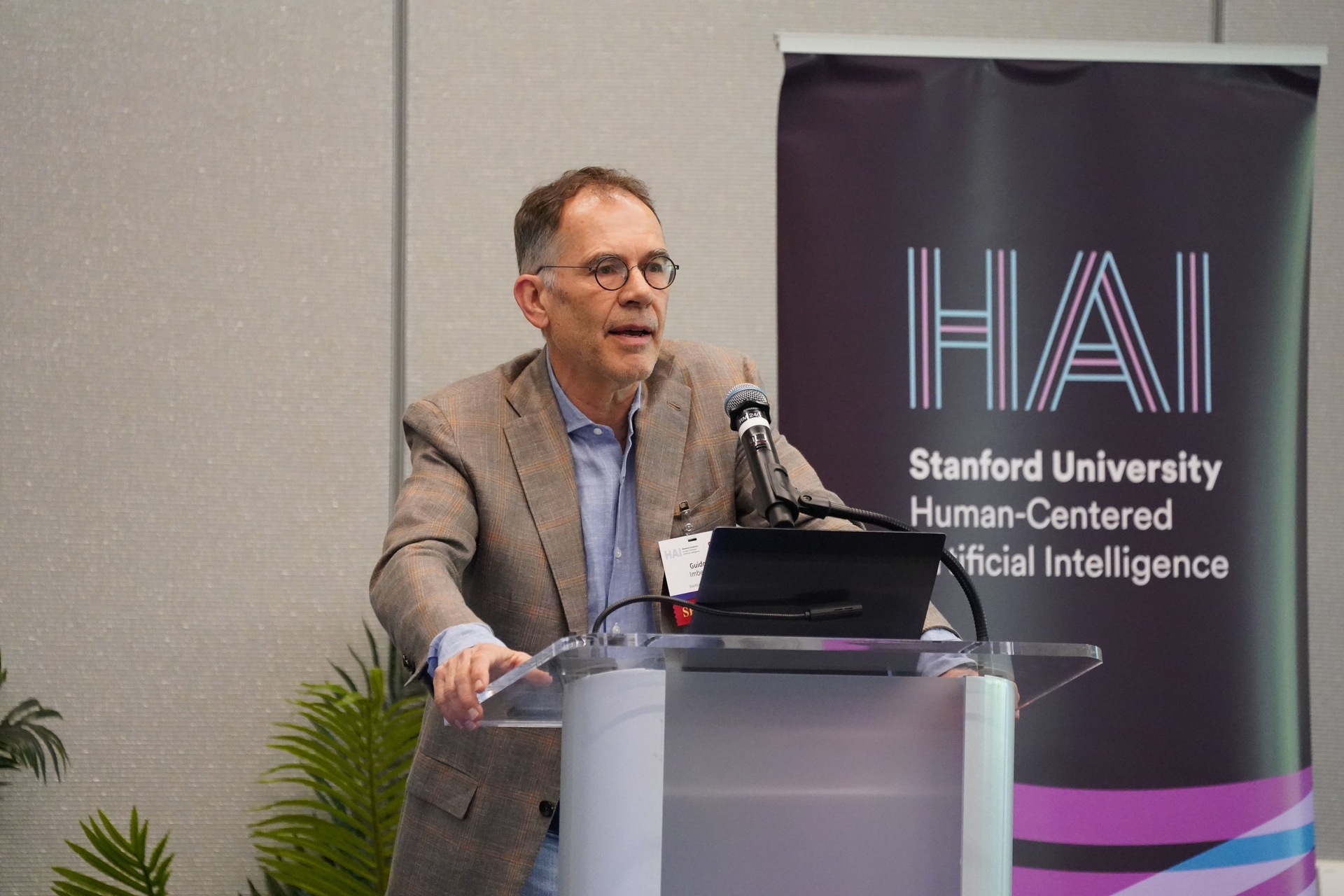
On April 24, 2026, the Stanford Causal Science Conference: Frontiers in AI Evaluation brought together leading researchers from academia and industry to examine how causal reasoning, evaluation, and measurement are reshaping the future of AI systems.

The new center will examine AI's real-world impacts on jobs, teams, and organizational performance.
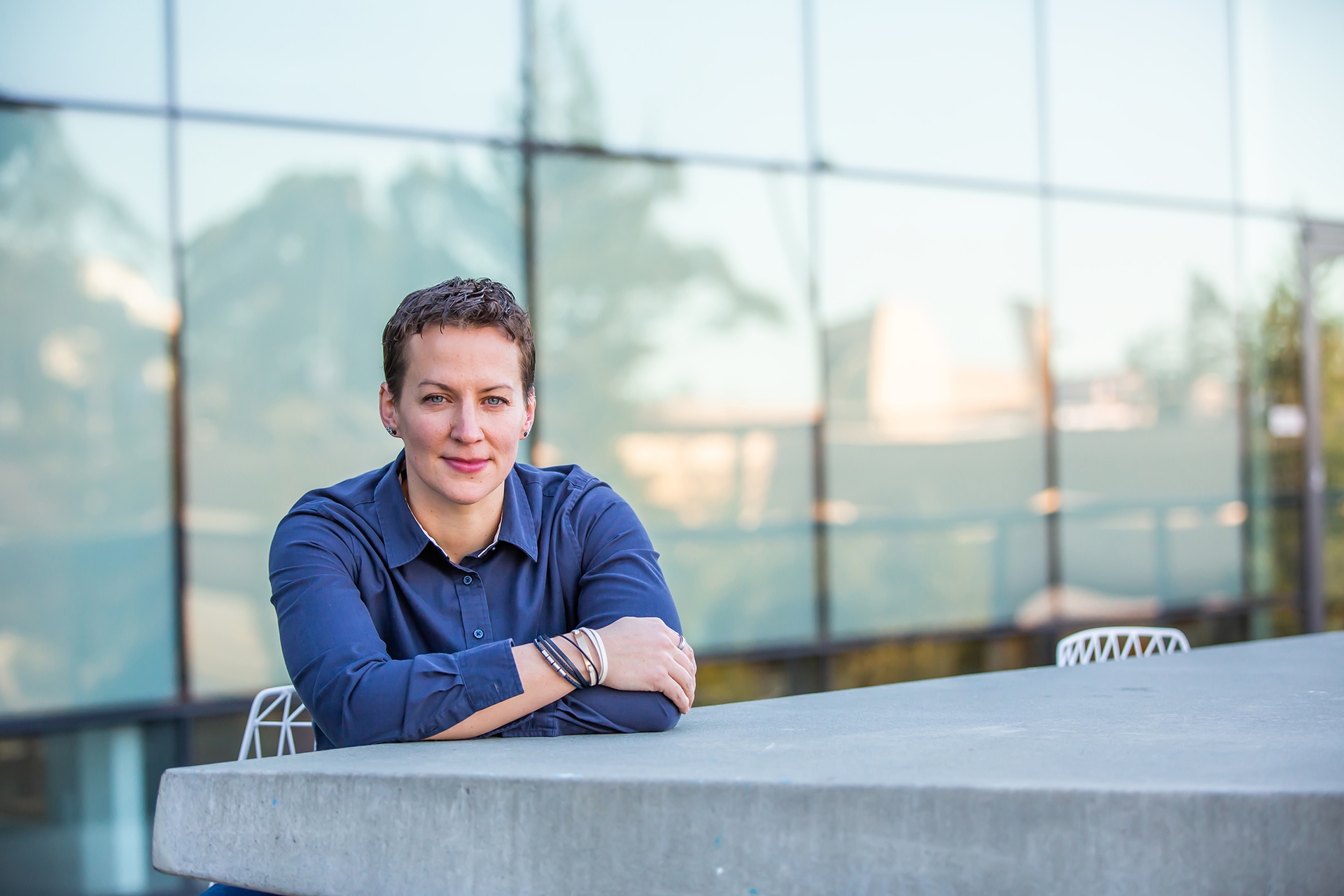
The new center will examine AI's real-world impacts on jobs, teams, and organizational performance.

More than 200 academic teams submitted proposals to the AI for Organizations Grand Challenge, exploring how artificial intelligence will transform teamwork and collaboration.
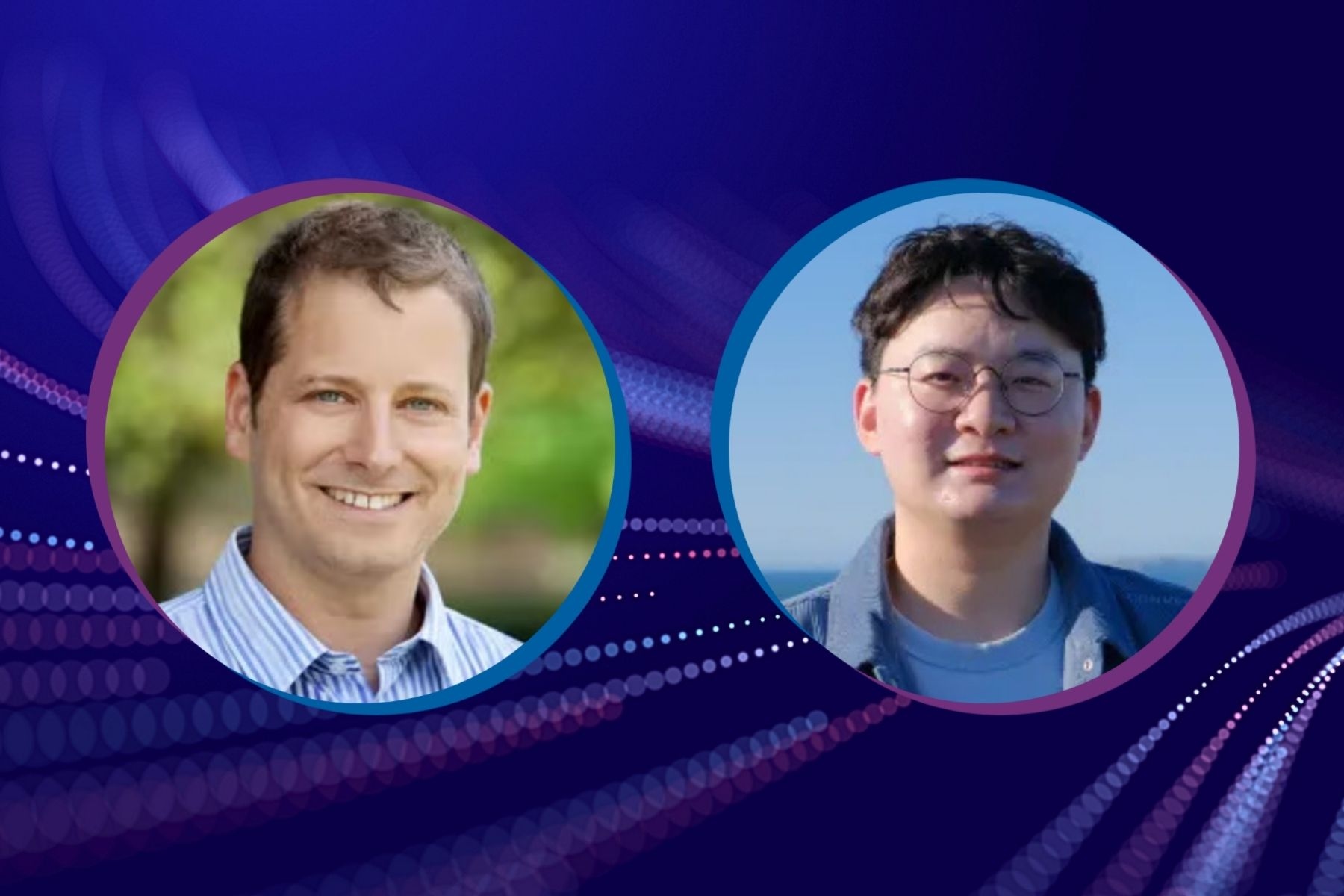
More than 200 academic teams submitted proposals to the AI for Organizations Grand Challenge, exploring how artificial intelligence will transform teamwork and collaboration.

As artificial intelligence transforms society, Stanford HAI’s James Landay, Fei-Fei Li, and John Hennessy explain why they’re merging HAI with the Stanford Data Science initiative, mobilizing “team science at scale,” and betting that academic openness will shape AI’s future.

As artificial intelligence transforms society, Stanford HAI’s James Landay, Fei-Fei Li, and John Hennessy explain why they’re merging HAI with the Stanford Data Science initiative, mobilizing “team science at scale,” and betting that academic openness will shape AI’s future.

The combined institute will retain the Stanford HAI name and be helmed by computer scientist James Landay. Co-founder Fei-Fei Li takes on a new university-wide role as Special Advisor on AI and joins John Hennessy as co-chair of the advisory council.
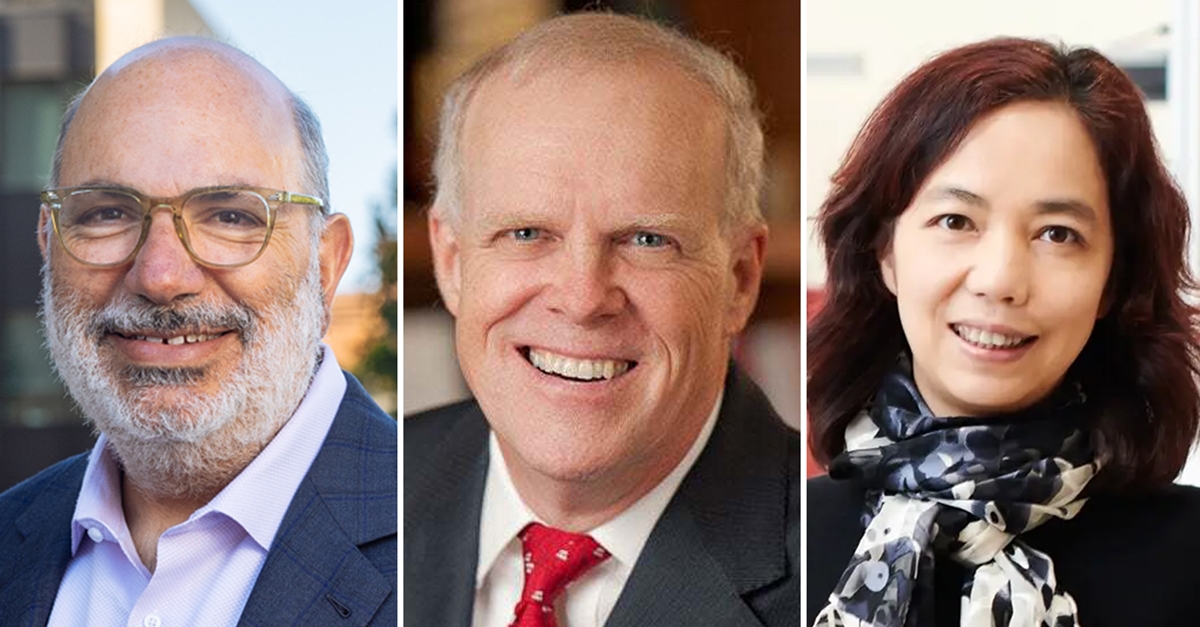
The combined institute will retain the Stanford HAI name and be helmed by computer scientist James Landay. Co-founder Fei-Fei Li takes on a new university-wide role as Special Advisor on AI and joins John Hennessy as co-chair of the advisory council.
Collaborative Coding, Better Scaling, Health Tracking: HAI Awards $2.17M to Innovative Research
Seed grants will fund 29 research teams pursuing novel research ideas across disciplines.
Seed grants will fund 29 research teams pursuing novel research ideas across disciplines.

Bloom, a health coaching app created by Stanford researchers, helps people tap into their own motivations.

Bloom, a health coaching app created by Stanford researchers, helps people tap into their own motivations.

Practicing specific social skills with AI chatbots helps users build confidence and competence.

Practicing specific social skills with AI chatbots helps users build confidence and competence.

In a world where chatbots can stand in for friends, counselors, and even lovers, the mental health risks are a growing concern.
In a world where chatbots can stand in for friends, counselors, and even lovers, the mental health risks are a growing concern.
The annual report reveals a field hitting breakthrough capabilities while raising urgent questions about environmental costs, transparency, and who benefits from the technology.

The annual report reveals a field hitting breakthrough capabilities while raising urgent questions about environmental costs, transparency, and who benefits from the technology.