International Affairs, International Security, International Development
How AI’s use in national security will influence global power dynamics.
As The World Debates The Risks Of AI, China Closes The Technology Gap With The US
Associated Press cites Stanford HAI's AI Index on China's emergence as an AI counterweight to the U.S.
Associated Press cites Stanford HAI's AI Index on China's emergence as an AI counterweight to the U.S.
The 2026 US Talent Report: Benchmarking America’s STEM Pipeline Amid the Great Talent Competition
This report assesses America's ability to develop, attract, and retain STEM talent and warns that its advantages over China are narrowing rapidly.
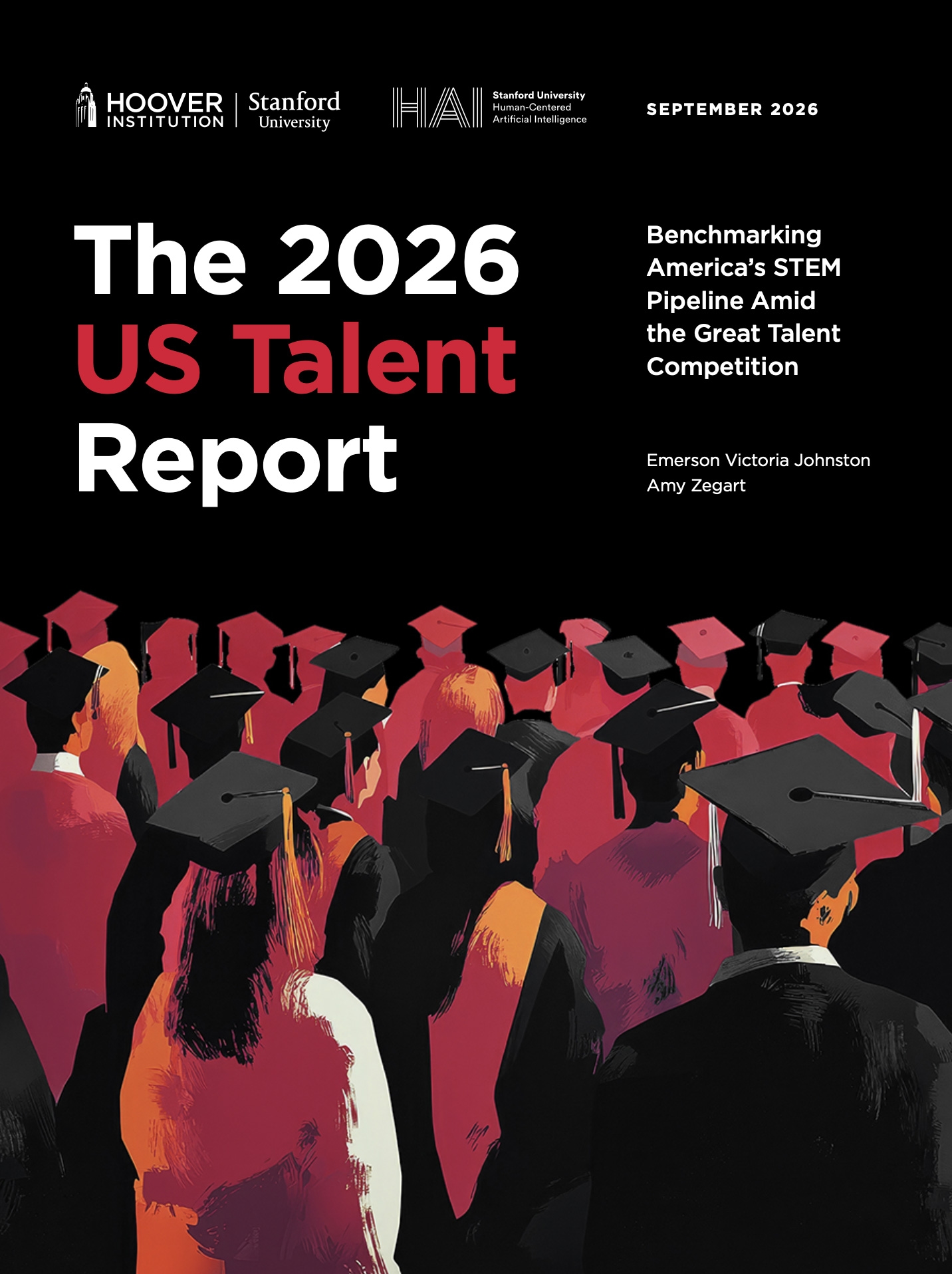
This report assesses America's ability to develop, attract, and retain STEM talent and warns that its advantages over China are narrowing rapidly.
New Stanford Grants Tackle AI's Impact on Global Security and Geopolitics
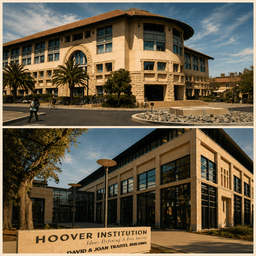
Stanford HAI and the Hoover Institution’s Technology Policy Accelerator back projects examining AI's role in detecting nuclear proliferation, U.S.-China competition, and political influence.
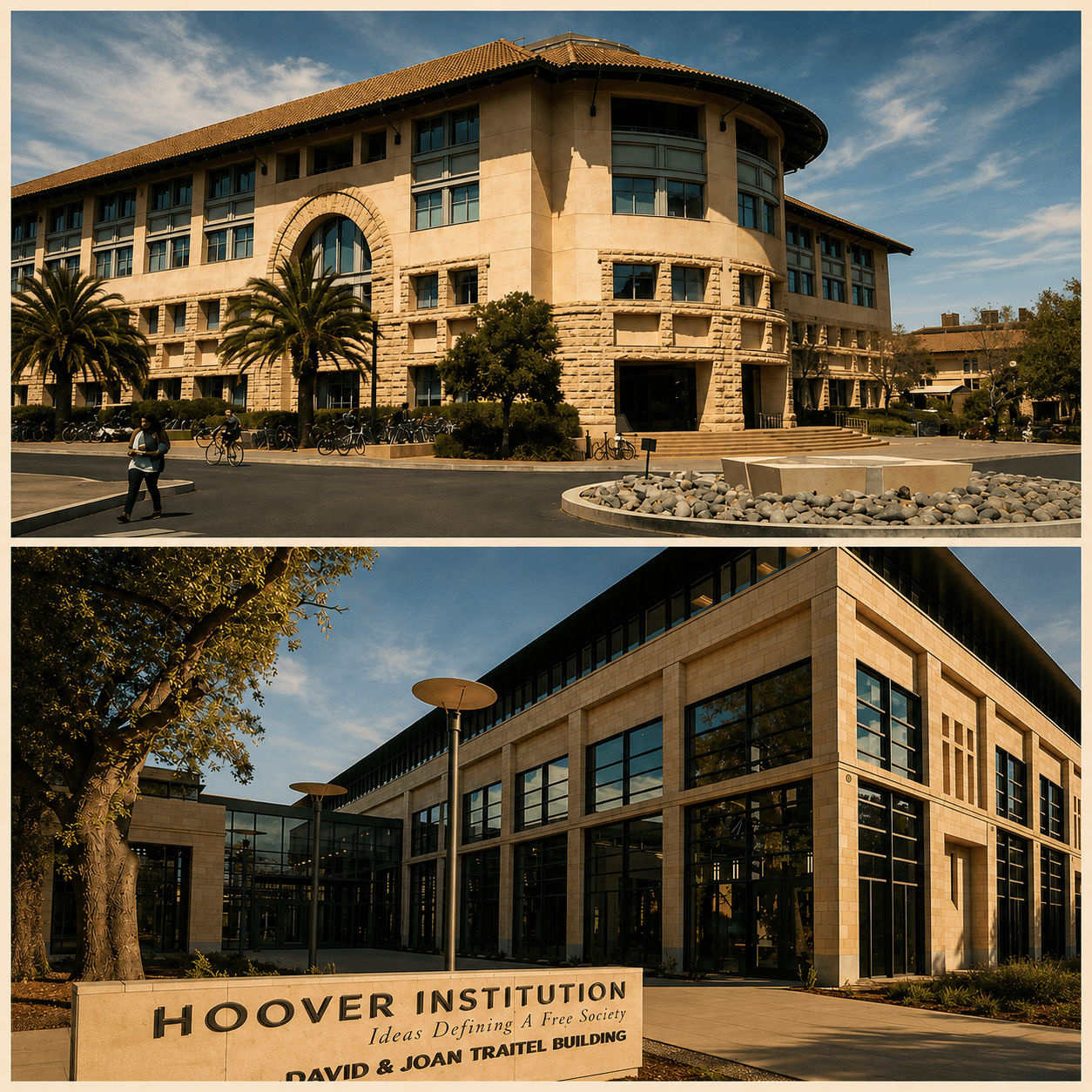
Stanford HAI and the Hoover Institution’s Technology Policy Accelerator back projects examining AI's role in detecting nuclear proliferation, U.S.-China competition, and political influence.
The Commercial Landscape of AI Sovereignty Offerings
This brief surveys the commercial AI sovereignty market and argues that policymakers should focus on calibrating interdependence rather than pursuing full self-sufficiency.
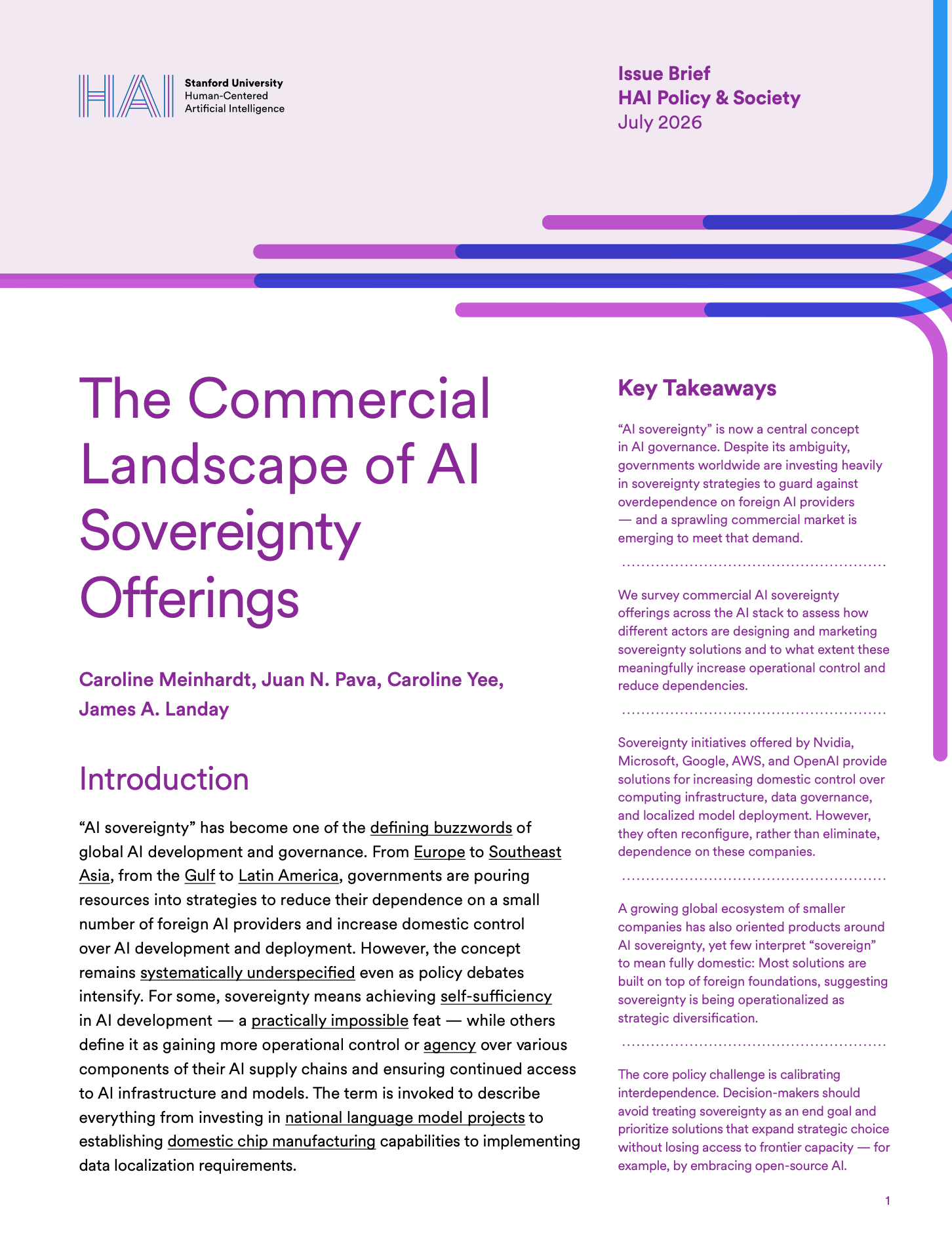
This brief surveys the commercial AI sovereignty market and argues that policymakers should focus on calibrating interdependence rather than pursuing full self-sufficiency.
Open-Weight Models Aren’t Enough. We Need Truly Open Source AI Models for Science and Society.

As Chinese AI closes the capability gap, Washington and Silicon Valley debate open-weight models. Stanford HAI's James Landay says it's the right conversation framed the wrong way.

As Chinese AI closes the capability gap, Washington and Silicon Valley debate open-weight models. Stanford HAI's James Landay says it's the right conversation framed the wrong way.
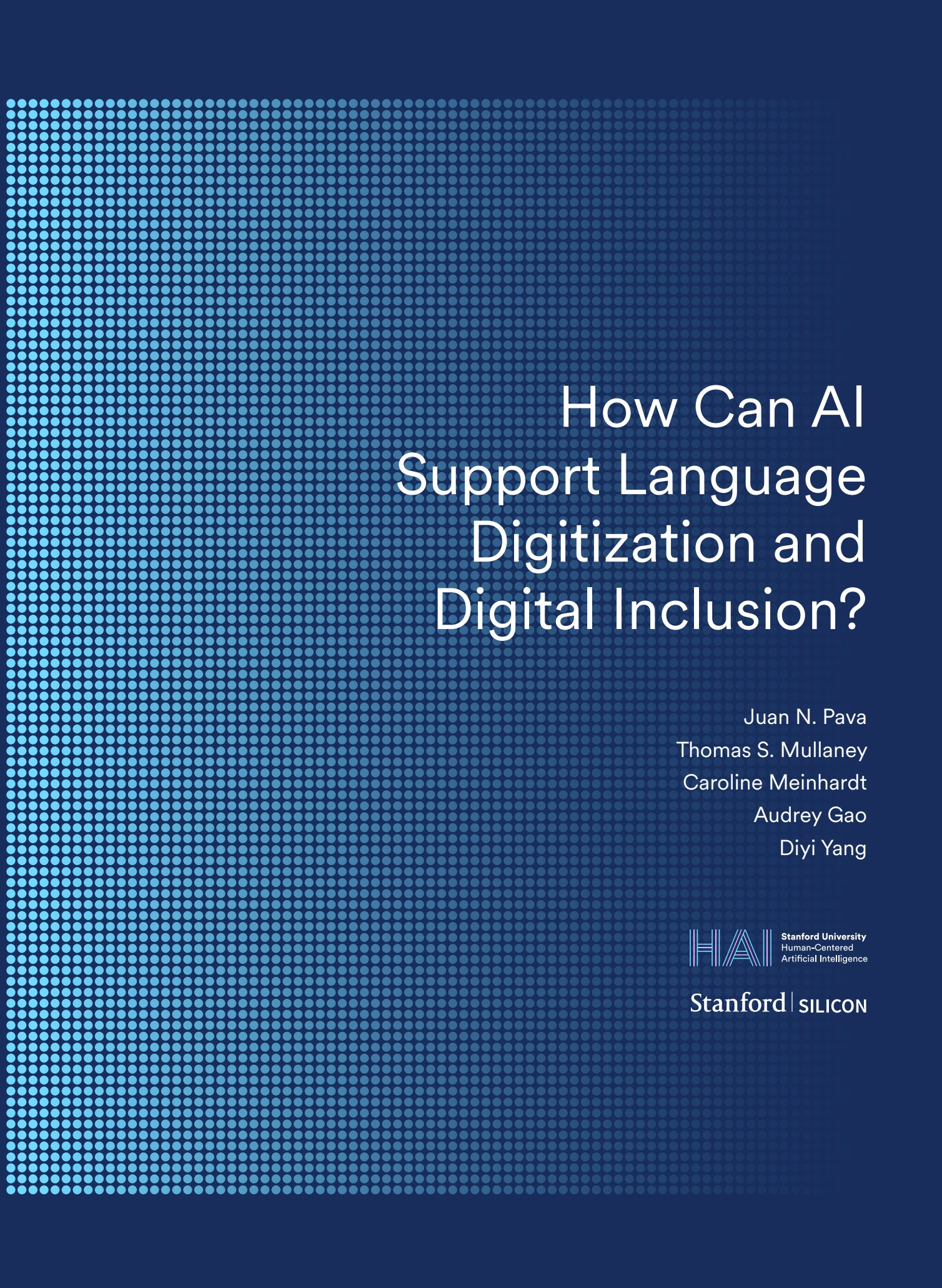
How Can AI Support Language Digitization and Digital Inclusion?
This white paper analyzes the varying ways AI tools can advance language digitization work, and provides recommendations for responsibly realizing the potential of AI in supporting the digital inclusion of digitally disadvantaged languages.
This white paper analyzes the varying ways AI tools can advance language digitization work, and provides recommendations for responsibly realizing the potential of AI in supporting the digital inclusion of digitally disadvantaged languages.
All Work Published on International Affairs, International Security, International Development
The AI Sovereignty Paradox: Should Countries Buy, Build, or Lease to Maintain Strategic Control of Their AI?

As nations invest billions to reduce reliance on foreign AI providers, a new Stanford HAI report surveys commercial sovereignty solutions and assesses the extent to which they meaningfully reduce dependencies on U.S. tech giants.
As nations invest billions to reduce reliance on foreign AI providers, a new Stanford HAI report surveys commercial sovereignty solutions and assesses the extent to which they meaningfully reduce dependencies on U.S. tech giants.

Beyond DeepSeek: China's Diverse Open-Weight AI Ecosystem and Its Policy Implications
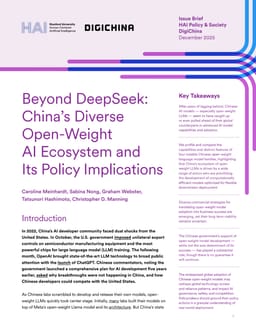
Almost one year after the “DeepSeek moment,” this brief analyzes China’s diverse open-model ecosystem and examines the policy implications of their widespread global diffusion.
Almost one year after the “DeepSeek moment,” this brief analyzes China’s diverse open-model ecosystem and examines the policy implications of their widespread global diffusion.
"Countries pursue AI sovereignty with four main objectives in mind: cultural autonomy, national security, economic competitiveness, and regulatory oversight," says Juan N. Pava, Stanford HAI Research Fellow.
"Countries pursue AI sovereignty with four main objectives in mind: cultural autonomy, national security, economic competitiveness, and regulatory oversight," says Juan N. Pava, Stanford HAI Research Fellow.
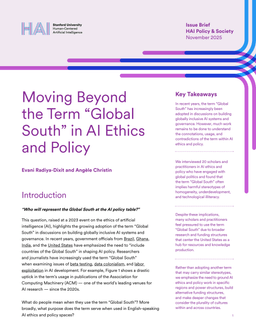
Moving Beyond the Term "Global South" in AI Ethics and Policy
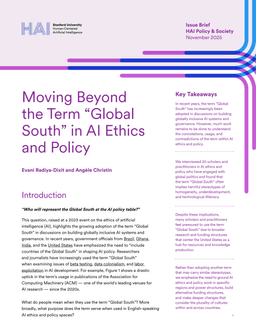
This brief examines the limitations of the term "Global South" in AI ethics and policy, and highlights the importance of grounding such work in specific regions and power structures.
This brief examines the limitations of the term "Global South" in AI ethics and policy, and highlights the importance of grounding such work in specific regions and power structures.
Want To Understand The Current State Of AI? Check Out These Charts.
"If you’re following AI news, you’re probably getting whiplash. AI is a gold rush. AI is a bubble. AI is taking your job. AI can’t even read a clock. The 2026 AI Index from Stanford University’s Institute for Human-Centered Artificial Intelligence, AI’s annual report card, comes out today and cuts through some of that noise."
"If you’re following AI news, you’re probably getting whiplash. AI is a gold rush. AI is a bubble. AI is taking your job. AI can’t even read a clock. The 2026 AI Index from Stanford University’s Institute for Human-Centered Artificial Intelligence, AI’s annual report card, comes out today and cuts through some of that noise."

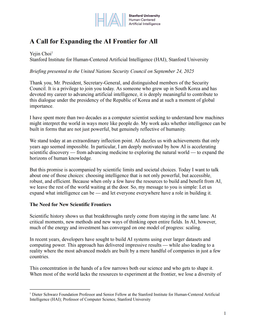
In this address, presented to the United Nations Security Council meeting on "Maintenance of International Peace and Security," Yejin Choi calls on the global scientific and policy communities to expand the AI frontier for all by pursuing intelligence that is not only powerful, but also accessible, robust, and efficient. She stresses the need to rethink our dependence on massive-scale data and computing resources from the outset, and design methods that do more with less — by building AI that is smaller and serves all communities.
In this address, presented to the United Nations Security Council meeting on "Maintenance of International Peace and Security," Yejin Choi calls on the global scientific and policy communities to expand the AI frontier for all by pursuing intelligence that is not only powerful, but also accessible, robust, and efficient. She stresses the need to rethink our dependence on massive-scale data and computing resources from the outset, and design methods that do more with less — by building AI that is smaller and serves all communities.